Related Articles
- Unconventional Wisdom: Exploring Surprising Influencers Shaping Consumer Trends in 2023's Niche Ecosystems
- Beneath the Surface: Discovering the Unlikely Impact of Micro-Communities on 2023's Consumer Landscape
- Unexpected Catalysts: Exploring the Surprising Forces Influencing Subculture Trends in 2023
- Unmasking Influences: The Unlikely Narratives Behind Today's Obscure Market Trends and Consumer Choices
- The Paradox of Generosity: How Giving Can Lead to Unexpected Financial Gains in Competitive Markets
- The Unexpected Cost of Silence: How Communication Gaps Drain Resources in Organizations
9 Intriguing Insights: How Function-as-a-Service is Shaping the Future of Decentralized Finance and Digital Assets
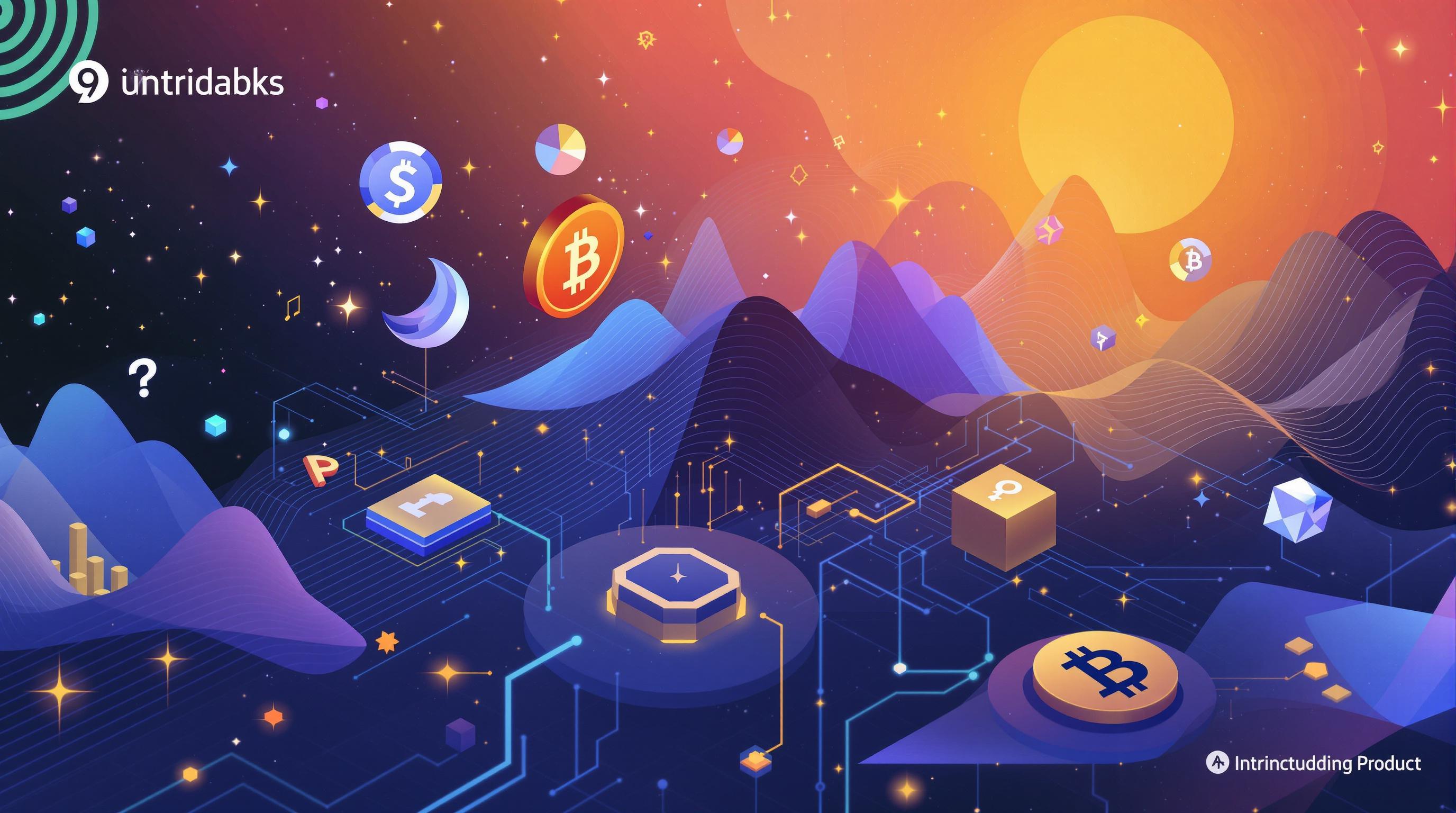
9 Intriguing Insights: How Function-as-a-Service is Shaping the Future of Decentralized Finance and Digital Assets
9 Intriguing Insights: How Function-as-a-Service is Shaping the Future of Decentralized Finance and Digital Assets
1. Definition of Function-as-a-Service (FaaS)
Function-as-a-Service (FaaS) is a cloud computing service model that enables users to deploy individual functions or pieces of business logic without worrying about the underlying infrastructure. This model has gained traction due to its cost-efficiency and scalability.
With FaaS, developers can execute code in response to various events, such as API calls or triggers, making it an appealing option for building complex applications with minimal operational overhead.
In the context of decentralized finance (DeFi) and digital assets, FaaS allows developers to create flexible, modular components that can interact seamlessly with blockchain networks.
2. Lowering Barriers to Entry for Developers
FaaS democratizes access to decentralized finance by empowering developers who may not have extensive resources or technical expertise. By using pre-built functions, they can quickly integrate sophisticated financial services into their applications.
This accessibility fuels innovation within the DeFi landscape and encourages a greater variety of projects that cater to niche markets. As more developers enter the field, a wider array of products and services will emerge.
According to a study by Deloitte, a large percentage of blockchain developers cite ease of development as a driving factor in the adoption of new technologies, emphasizing how FaaS can streamline the development process.
3. Enhanced Scalability and Flexibility
DeFi applications often experience drastic fluctuations in user activity. FaaS solutions can automatically scale up or down depending on demand, ensuring that services remain available without incurring unnecessary costs.
This scalability means that developers can build applications confident that they'll perform reliably even under high load, a critical consideration for platforms handling real-time transactions.
The flexibility offered by FaaS allows projects to evolve more rapidly, adapting to changing market conditions or user needs without overhauling the entire system.
4. Interoperability Among Blockchains
FaaS can facilitate interoperability between different blockchain networks, which is increasingly important as the number of decentralized platforms grows. By offering functions that work across various chains, developers can create more versatile applications.
This interoperability enhances user experience by enabling seamless transfers and interactions across chains, potentially attracting a broader user base. Standalone projects can potentially become part of larger ecosystems.
Projects like Polkadot and Cosmos are pioneering this functionality, and FaaS can further support these initiatives by providing modular functions that interconnect. As such, the inter-chain economy can flourish.
5. Security Enhancements
Given the importance of security in DeFi, FaaS can help mitigate risks by allowing for the implementation of secure functions without exposing the entire application to vulnerabilities.
By compartmentalizing code, FaaS reduces the attack surface, making it more challenging for malicious actors to exploit weaknesses in decentralized applications.
Regular updates and security patches can also be deployed with minimal disruption, ensuring that DeFi applications can remain robust against new threats in the rapidly changing digital landscape.
6. Cost Efficiency for Startups
Starting a DeFi project can be resource-intensive, but FaaS reduces these costs significantly. Instead of investing heavily in server infrastructure and maintenance, developers can focus on building value-added features.
This cost efficiency is particularly valuable for startups, allowing them to allocate funding toward marketing, user acquisition, and development rather than back-end infrastructure.
A report from McKinsey highlights that cloud-based cost models enable project teams to reduce total cost of ownership and improve overall financial metrics, making it an attractive option for new companies in the space.
7. Ecosystem of Third-Party Services
As the FaaS model becomes increasingly prevalent, an ecosystem of third-party service providers is developing to leverage these functions. Offering specialized financial functions as a service allows these providers to cater to specific use cases.
This growth results in a marketplace of functions that developers can tap into, creating a rich tapestry of tools that can significantly accelerate application development.
The rise of these marketplaces brings an added layer of competition, driving innovation and reducing prices, which ultimately benefits consumers and investors alike.
8. Democratization of Financial Services
The combination of FaaS with blockchain technology presents an opportunity to democratize financial services by making them accessible to anyone with an internet connection.
By lowering development costs and enhancing modularity, FaaS allows developers to build services that cater to underserved populations, providing them access to vital financial tools.
This broader access can potentially disrupt traditional banking and finance structures, fostering societal change by offering everyone equal opportunities to participate in the financial ecosystem.
9. Future Innovations in DeFi and Digital Assets
As FaaS continues to mature, we can expect innovations that reshape not only how financial services are delivered but also how digital assets are managed. Emerging functions could automate complex transactions, improving efficiencies across the board.
Moreover, the integration of AI and machine learning with FaaS can lead to smarter, more autonomous applications that evolve and adapt based on user behavior and market trends.
The possibilities are boundless, and the continual development of FaaS will likely drive new trends in the DeFi landscape we can only begin to imagine today.
Read More