Related Articles
- Unconventional Wisdom: Exploring Surprising Influencers Shaping Consumer Trends in 2023's Niche Ecosystems
- Beneath the Surface: Discovering the Unlikely Impact of Micro-Communities on 2023's Consumer Landscape
- Unexpected Catalysts: Exploring the Surprising Forces Influencing Subculture Trends in 2023
- Unmasking Influences: The Unlikely Narratives Behind Today's Obscure Market Trends and Consumer Choices
- The Paradox of Generosity: How Giving Can Lead to Unexpected Financial Gains in Competitive Markets
- The Unexpected Cost of Silence: How Communication Gaps Drain Resources in Organizations
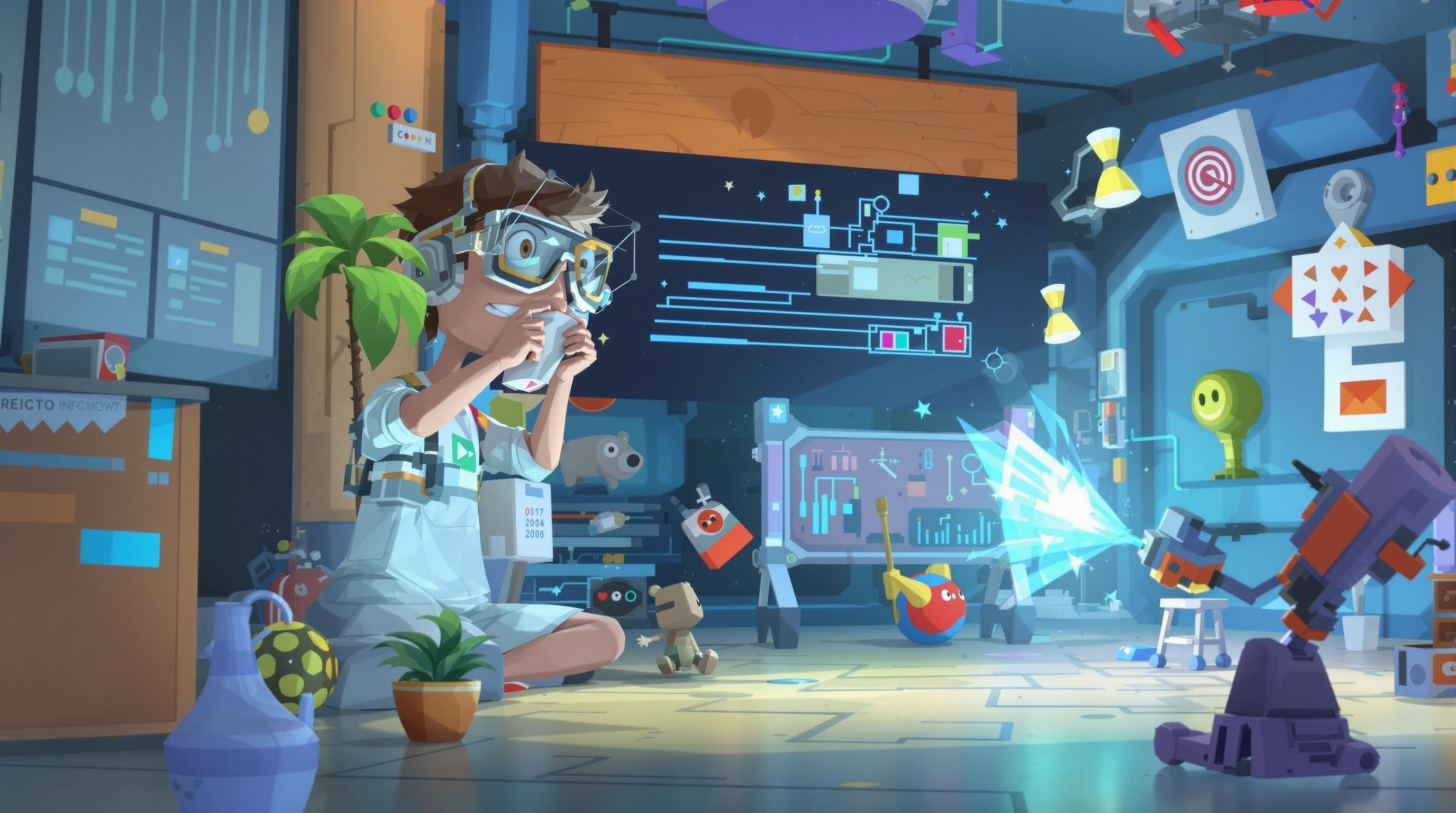
9 Hidden Opportunities: How Function-as-a-Service is Igniting Next-Gen Animation and Visual Effects for Creative Industries
9 Hidden Opportunities: How Function-as-a-Service is Igniting Next-Gen Animation and Visual Effects for Creative Industries
9 Hidden Opportunities: How Function-as-a-Service is Igniting Next-Gen Animation and Visual Effects for Creative Industries
Introduction to Function-as-a-Service (FaaS)
Function-as-a-Service (FaaS) represents a paradigm shift in how creative industries approach animation and visual effects. By allowing developers to execute code in response to events, FaaS dramatically reduces the need for infrastructure management, enabling artists to focus on creativity rather than technology. This agile computing approach aligns well with the fast-paced demands of the animation and visual effects sectors, which are constantly evolving to meet audience expectations.
FaaS utilizes cloud computing to provide scalable computing resources, addressing the intense data processing requirements of animation projects. This technology allows for seamless deployment and management of applications, making it easier for studios, independent creators, and agencies to access powerful tools without significant upfront costs. The rise of cloud-native solutions is fostering an ecosystem where creative professionals can innovate with reduced budget constraints and heightened flexibility.
As the creative sector increasingly adopts FaaS models, a compelling case arises for integrating more advanced technologies into the production pipeline. With the right strategy in place, FaaS can lead to groundbreaking efficiency in workflows, elevate visual storytelling, and open doors to collaborative opportunities across geographical boundaries.
1. Scalable Production Workflows
One of the most significant advantages of FaaS is its ability to scale production workflows in real-time. Animation and visual effects often require vast computing resources, especially during peak production times. By integrating FaaS, studios can allocate resources dynamically based on current needs, reducing server costs and optimizing performance for rendering and processing tasks.
This scalability empowers creative teams to take on projects of varying sizes and complexity without worrying about infrastructure limitations. For instance, a small indie studio can launch an ambitious animated feature film without having to invest heavily in physical servers or equipment upfront. Utilizing FaaS allows them to distribute workloads efficiently and even out their budget over time.
As a result, this not only lowers the barrier of entry for smaller studios and independent creators but also drives innovation in storytelling techniques, as animators can quickly iterate on ideas and explore more diverse approaches to visual narrative without fearing resource constraints.
2. Enhanced Collaboration Across Teams
The transition to FaaS enhances collaboration among disparate teams working on animation and visual effects projects. With integrated workflows in the cloud, team members can share assets, feedback, and iterations in real-time, regardless of their physical location. This level of connectivity can lead to more fluid creative processes and richer collaboration.
Moreover, shared resources allow for streamlined access to tools and services necessary for animation production. For example, artists can utilize centralized rendering services or effect libraries hosted on the cloud, thus reducing the time spent managing software installations or hardware compatibility issues. This kind of collaboration not only results in more polished visuals but also enriches creative brainstorming sessions.
As teams familiarize themselves with remote workflows fueled by FaaS, new synergies and creative partnerships can emerge, breaking down traditional barriers and paving the way for more diverse stories and styles in animation and visual effects.
3. Cost Efficiency and Budget Flexibility
FaaS offers a substantial opportunity for cost efficiency in animation production. Traditional infrastructure can require significant financial investments, making it challenging for smaller or emerging studios to compete in the market. With FaaS, studios can consume resources on an as-needed basis, paying only for computing power when they require it.
This model enables budget flexibility, allowing studios to allocate funds toward creative talent, story development, and marketing rather than infrastructure costs. The direct association of operational expenses with production loads means smaller studios can experiment with innovative techniques or take on riskier projects without the fear of devastating financial consequences.
Furthermore, the savings from reduced hardware investments can be redirected toward talent recruitment, scholarship programs, or training initiatives for existing staff, thus fostering a more skilled workforce dedicated to pushing the boundaries of visual storytelling and design.
4. Streamlined Data Management
In animation and visual effects, managing vast amounts of data can be both challenging and resource-intensive. FaaS offers a streamlined approach to data management through automated scaling and processing capabilities. By transitioning to a serverless architecture, the burden of data handling can shift from local machines to a more robust cloud-based solution.
This shift empowers studios to leverage advanced data analytics tools that can analyze workflows, track project progress, and evaluate content performance in real time. Consequently, this enables teams to make informed decisions, troubleshoot issues more effectively, and optimize production schedules for enhanced output.
As studios embrace automated data management via FaaS, this leads to clear advantages in project visibility, collaboration, and overall efficiency, enhancing their ability to deliver high-quality animations and visual effects that resonate with audiences.
5. Access to Cutting-Edge Tools and Technologies
FaaS enables creative teams to access cutting-edge tools and technologies without the concern of compatibility or licensing issues. By hosting advanced software solutions in the cloud, studios can easily integrate the latest animation and rendering tools into their pipeline. This access is particularly beneficial for animation studios that wish to stay at the forefront of technological evolution.
With the rapid development of new techniques and software features, staying updated can be challenging and costly. FaaS alleviates this pressure by providing instant access to the most advanced resources available on the market. Creatives can experiment with innovative tools more freely, encouraging the development of original visual languages and storytelling approaches.
This opens up opportunities for artists to explore new possibilities in visual effects—and in turn, inspires audiences with increasingly dynamic storytelling and lifelike animations that push the boundaries of imagination.
6. Rapid Prototyping and Iteration
FaaS facilitates rapid prototyping and iteration in animation projects, allowing creators to test and refine their ideas more efficiently. The cloud-based architecture allows for quick deployment of prototypes, enabling teams to gauge audience reactions or conduct internal evaluations before investing substantial resources into full production.
This iterative process can lead to higher quality outputs, as teams can quickly pivot or pivot based on feedback, halting less successful elements before they evolve into costly mistakes. FaaS makes this possible due to its scalable and manageable resources, which can be programmed to handle multiple iterations of a single project.
Consequently, this culture of experimentation fosters creativity, ultimately enriching the quality and diversity of animations and visual storytelling that emerge from the creative industry.
7. Augmented Reality (AR) and Virtual Reality (VR) Opportunities
As the fields of Augmented Reality (AR) and Virtual Reality (VR) continue expanding, FaaS presents unique opportunities for creative industries to engage with these technologies effectively. The scalable nature of cloud-based services means that studios can develop and render immersive environments in real time, enhancing the audience's experience significantly.
FaaS can abstract away technical complexities, allowing artists to focus on creating rich, engaging visual content that captures the imagination. For instance, studios can create interactive animations that combine elements of AR/VR with traditional storytelling, leading to groundbreaking experiences that transcend conventional narratives.
Ultimately, the integration of FaaS with AR and VR not only improves the production of these innovative projects but also encourages creative storytelling forms, paving the way for narratives that transcend linear modes and invite interactive engagement.
8. Increased Accessibility for Creators
FaaS lowers the barriers of entry for emerging creators, enabling them to access essential resources and tools that were once limited to larger studios. New animators and visual effects artists can leverage FaaS to produce high-quality work without the need for high capital investments in technology or software licenses.
This democratization of resources fosters a more inclusive creative environment, inviting diverse voices and perspectives into the animation industry. As these new creators contribute their unique ideas and narratives, they further enrich the overall artistic landscape.
Moreover, by empowering the next generation of artists with the tools they need, FaaS can lead to fresh storytelling approaches and impactful narratives that resonate with today’s audience. This shift signifies an exciting evolution within the creative industries, where ingenuity and diverse perspectives are paramount.
9. Future Prospects and Innovations
The integration of FaaS within creative industries is still in its nascent stages, but the future prospects are promising. As technology continues to advance, we can expect to see even more innovative applications of FaaS in animation and visual effects, particularly as machine learning and artificial intelligence become more prevalent.
By harnessing FaaS capabilities, studios might develop sophisticated algorithms for automating repetitive tasks, such as rendering or animation rigging. These advancements will not only allow artists to devote more time to creative endeavors, but they could also revolutionize the production pipeline, enabling stunning visual outputs that were previously unimaginable.
In conclusion, FaaS is set to drive the next wave of innovation within animation and visual effects, unlocking a realm of possibilities for storytellers and artisans alike. The combination of scalability, collaboration, and accessibility provided by FaaS will create a fertile ground for the future of creative industries.
Read More