Related Articles
- Unconventional Wisdom: Exploring Surprising Influencers Shaping Consumer Trends in 2023's Niche Ecosystems
- Beneath the Surface: Discovering the Unlikely Impact of Micro-Communities on 2023's Consumer Landscape
- Unexpected Catalysts: Exploring the Surprising Forces Influencing Subculture Trends in 2023
- Unmasking Influences: The Unlikely Narratives Behind Today's Obscure Market Trends and Consumer Choices
- The Paradox of Generosity: How Giving Can Lead to Unexpected Financial Gains in Competitive Markets
- The Unexpected Cost of Silence: How Communication Gaps Drain Resources in Organizations
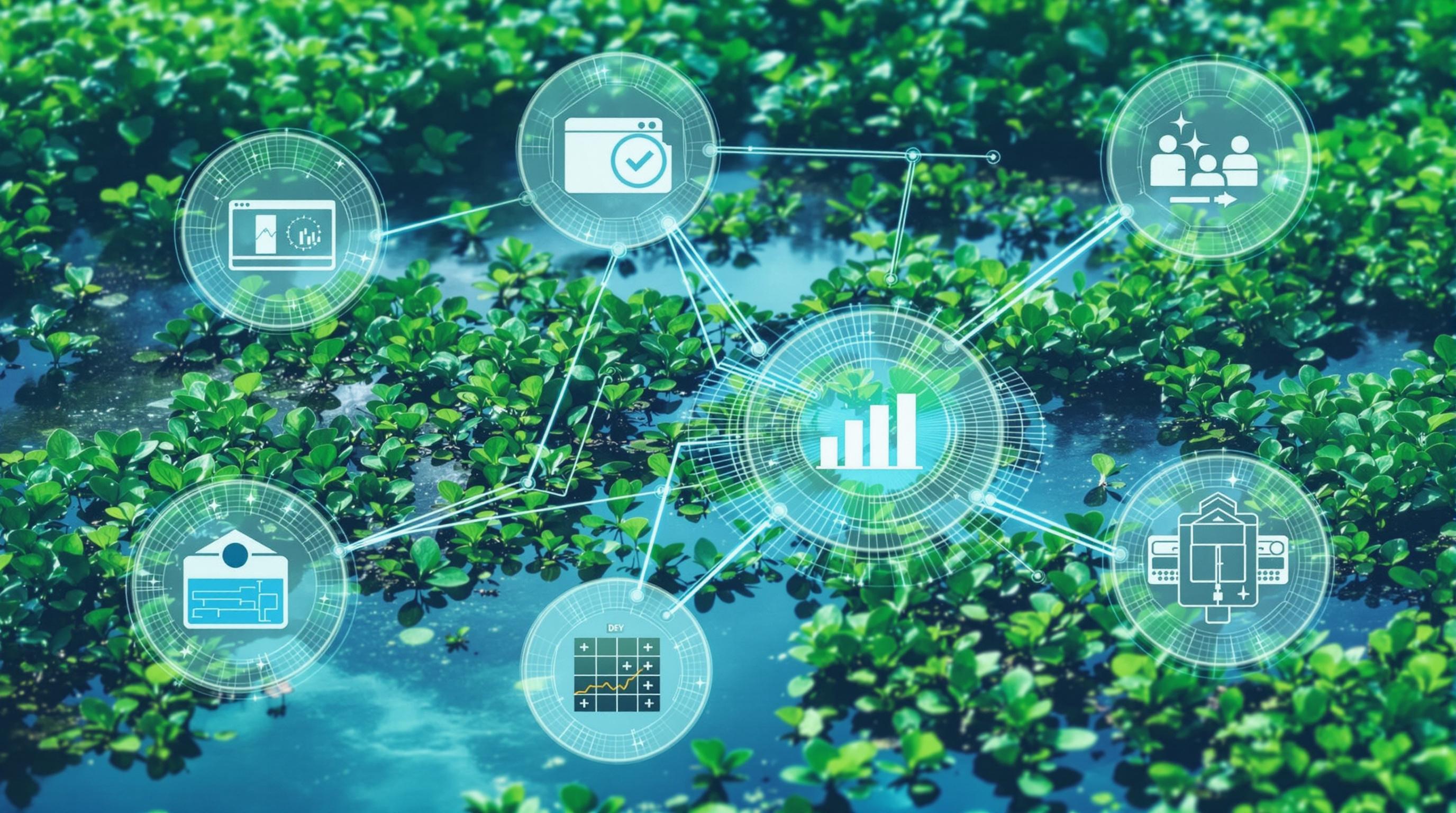
7 Innovative Ways Function-as-a-Service is Transforming Environmental Monitoring Solutions for a Greener Future
7 Innovative Ways Function-as-a-Service is Transforming Environmental Monitoring Solutions for a Greener Future
7 Innovative Ways Function-as-a-Service is Transforming Environmental Monitoring Solutions for a Greener Future
Introduction to Function-as-a-Service (FaaS)
Function-as-a-Service (FaaS) represents a paradigm shift in software development and deployment, allowing developers to execute code in response to events without managing the infrastructure. It provides a serverless architecture that enables more efficient processing, especially in large-scale applications. This model is not only cost-effective but also energy-efficient, which is vital in addressing environmental concerns.
As businesses and organizations continually seek ways to monitor and manage environmental impacts, FaaS emerges as a groundbreaking solution. By integrating cloud computing with real-time data processing, it opens new avenues for environmental monitoring. This technological approach reduces resource consumption while enhancing data accuracy, critical for promoting sustainability.
In the ensuing sections, we will explore seven innovative ways that FaaS is transforming environmental monitoring solutions to create a greener future. From real-time analytics to resource optimization, the capabilities offered by FaaS position it as a valuable tool in combating environmental challenges.
1. Real-time Data Processing
One of the most significant advantages of FaaS is its ability to process vast amounts of data in real-time. Environmental sensors generate enormous quantities of data, from air quality measurements to water contamination levels. FaaS platforms can analyze this data as it is collected, allowing for immediate responses to environmental changes.
Organizations can deploy functions to trigger alerts based on specific parameters, such as when pollution levels exceed safe limits. This capability ensures timely intervention, preventing harmful situations from escalating. Moreover, it enables a rapid dissemination of critical information to stakeholders, fostering proactive environmental stewardship.
By harnessing the power of FaaS, researchers and policymakers can make quicker, data-driven decisions that lead to effective environmental management strategies. The immediacy of data availability reshapes how we understand and react to environmental fluctuations.
2. Cost Efficiency
FaaS significantly reduces operational costs associated with traditional environmental monitoring solutions. Since it operates on a pay-as-you-go model, organizations only incur costs when code is executed. This dynamic lowers overhead expenses compared to maintaining full-fledged infrastructures needed for constant data processing.
Furthermore, the scalability of FaaS allows organizations of all sizes to access sophisticated environmental monitoring tools without substantial investment. Small environmental non-profits, for instance, can implement effective monitoring strategies without the burden of high expenses, making sustainability initiatives more universally attainable.
Ultimately, the financial savings realized through FaaS can be redirected towards enhancing environmental programs, education, and community outreach, contributing to a more sustainable future.
3. Enhanced Scalability
Scalability is another pioneering feature of FaaS that transforms environmental monitoring practices. As monitoring needs grow, organizations can seamlessly expand their operations without the limitations of traditional server infrastructures. FaaS allows users to deploy multiple functions concurrently, accommodating spikes in data traffic due to events like natural disasters or pollutant leaks.
This flexibility ensures that monitoring solutions remain robust, adapting effortlessly to dynamic environmental conditions. Whether implementing additional sensors or responding to urgent ecological crises, FaaS delivers the necessary computing resources without over-provisioning.
The ability to scale up or down aligns perfectly with the fluctuating nature of environmental data, offering organizations an agile solution to meet urgent monitoring needs more effectively.
4. Integration with IoT Devices
The growing Internet of Things (IoT) ecosystem complements FaaS by facilitating seamless integration between environmental sensors and computing resources. IoT devices play a crucial role in collecting real-time environmental data, such as temperature variations, humidity levels, and air quality metrics. FaaS can act as the backend facilitator that processes this data instantaneously.
With FaaS, users can deploy functions that respond immediately to data fed from IoT sensors, allowing for a more interconnected and responsive environmental monitoring system. For instance, if an IoT sensor detects elevated carbon monoxide levels, a corresponding FaaS function can trigger an alert to the relevant authorities.
This synergy between IoT and FaaS fosters increased efficiency in monitoring environmental conditions, encouraging timely contributions to ecological conservation and awareness initiatives.
5. Improved Data Accuracy
FaaS enhances data accuracy through real-time processing and automated analytics. As environmental data is captured, immediate functions can process it, reducing the lag time associated with traditional systems. This swift processing mitigates the risk of inaccuracies that can arise from manual data entry or delayed analysis.
Moreover, FaaS allows for the application of advanced algorithms and machine learning techniques that refine data collection methods. By continually analyzing incoming data, these models can learn from patterns and improve the precision of environmental assessments over time.
As stakeholders depend on reliable data to inform their environmental policies, the accurate insights generated by FaaS-driven systems prove invaluable in crafting effective strategies for sustainability and ecological protection.
6. Collaboration Across Agencies
FaaS encourages collaboration between various agencies and organizations involved in environmental monitoring. By standardizing data formats and methods of analysis, different entities can interoperate more efficiently. FaaS enables a centralized platform where multiple stakeholders can contribute data, share insights, and develop joint initiatives.
This collaborative approach can amplify the impact of monitoring projects, as it fosters a culture of transparency and shared purpose. Agencies can pool resources and knowledge to tackle major environmental concerns, such as climate change and biodiversity loss, by adopting FaaS technologies.
With enhanced cooperation, the potential for developing comprehensive and wide-reaching environmental policies increases, leading to a more coordinated approach to fostering sustainability.
7. Simplified Maintenance and Updates
Maintenance remains a paramount challenge in traditional environmental monitoring systems. FaaS significantly simplifies the maintenance process by automating function updates and scalability. This automation ensures that the system remains current without requiring extensive intervention from IT teams.
Moreover, FaaS facilitates rapid deployment of updates across multiple functions, offering organizations the agility to adapt quickly to new environmental standards or technological advancements. In a world where environmental challenges evolve, being able to react with speed is essential.
The streamlined maintenance associated with FaaS not only maximizes operational efficiency but also ensures that environmental monitoring systems remain at the forefront of technology, thus more effectively supporting sustainability efforts.
Conclusion
Function-as-a-Service is reshaping environmental monitoring solutions, making them more efficient, cost-effective, and responsive to change. By leveraging real-time data processing, IoT integration, and enhanced scalability, FaaS empowers organizations to address environmental challenges with agility and precision.
As the drive for sustainability becomes increasingly urgent, the innovations facilitated by FaaS will play a pivotal role in monitoring and managing our planet's health. The collaboration encouraged by this technology will unite diverse stakeholders around shared goals, reinforcing the collective commitment to a greener future.
Embracing FaaS as a core component of environmental monitoring strategies lays the foundation for a sustainable, eco-friendly world. The future of monitoring solutions looks brighter as technology continues to evolve, promising a more responsible relationship with our environment.
Read More