Related Articles
- Unconventional Wisdom: Exploring Surprising Influencers Shaping Consumer Trends in 2023's Niche Ecosystems
- Beneath the Surface: Discovering the Unlikely Impact of Micro-Communities on 2023's Consumer Landscape
- Unexpected Catalysts: Exploring the Surprising Forces Influencing Subculture Trends in 2023
- Unmasking Influences: The Unlikely Narratives Behind Today's Obscure Market Trends and Consumer Choices
- The Paradox of Generosity: How Giving Can Lead to Unexpected Financial Gains in Competitive Markets
- The Unexpected Cost of Silence: How Communication Gaps Drain Resources in Organizations
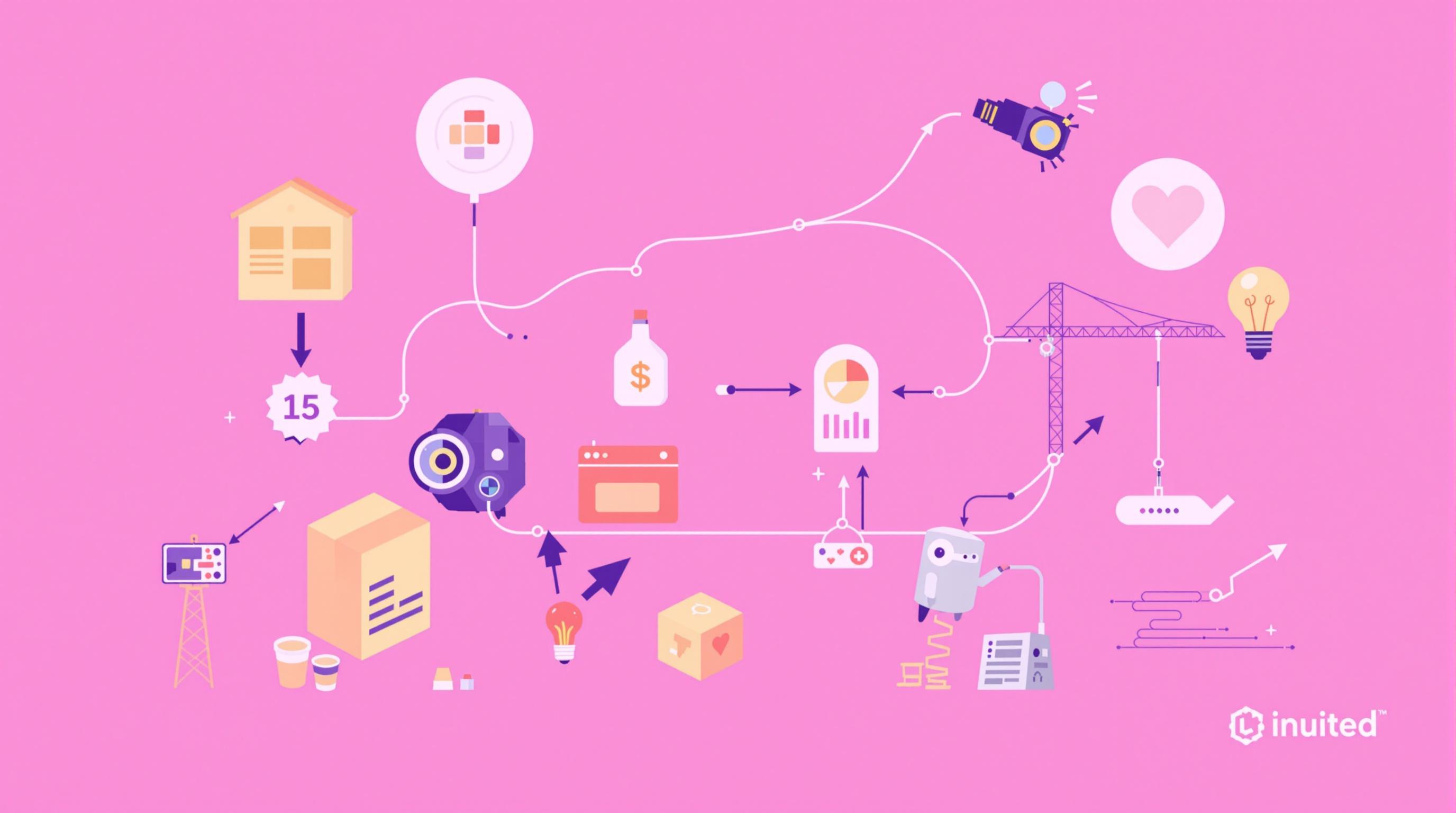
10 Unlikely Industries Transformed by Function-as-a-Service: A Deep Dive into Unexpected Disruptive Innovations
10 Unlikely Industries Transformed by Function-as-a-Service: A Deep Dive into Unexpected Disruptive Innovations
10 Unlikely Industries Transformed by Function-as-a-Service: A Deep Dive into Unexpected Disruptive Innovations
1. Agriculture
The agricultural sector has traditionally relied on large-scale machines and labor-intensive practices. However, the advent of Function-as-a-Service (FaaS) has introduced a new way to optimize resources. By offering cloud-based services for data processing and analytics, farmers can now leverage real-time information to make smarter decisions.
Examples include services that provide weather forecasts, soil health monitoring, and yield predictions. These insights allow farmers to manage their crops more efficiently, ultimately leading to higher yields and reduced waste. As a result, FaaS is helping agricultural businesses transition from reactive to proactive management.
Moreover, companies like IBM's Watson are experimenting with advanced AI models that analyze vast amounts of agricultural data. These innovations suggest a future where smallholder farmers can compete on equal footing with larger enterprises, thus redefining the industry landscape.
2. Healthcare
The healthcare industry has seen remarkable changes due to FaaS, particularly in the realm of patient care and administrative functions. Providers can now utilize cloud-based applications to manage patient records, appointments, and billing cycles more efficiently. This shift allows for greater focus on patient care rather than administrative burdens.
Telemedicine platforms are another significant development. By employing FaaS, healthcare professionals can offer virtual consultations conveniently, breaking down geographical barriers. This service model provides affordable healthcare options to underserved communities, thereby democratizing access.
Furthermore, the integration of machine learning within FaaS applications assists in diagnostics and personalized medicine. This disruption not only improves outcomes for patients but also reduces costs for healthcare providers and insurers. The potential for innovation in this sector is vast, indicating a transformative shift in how healthcare is delivered.
3. Logistics and Supply Chain
The logistics industry has undergone a significant transformation with the implementation of FaaS. Companies can now access tools for real-time tracking, inventory management, and route optimization without the need for heavy infrastructure investments. This flexibility makes logistics more adaptable and responsive to market fluctuations.
FaaS has also facilitated automation within warehouses, enhancing efficiency while lowering labor costs. Services like automated inventory sensors and smart robotics streamline operations, ultimately reducing human error and enhancing accuracy.
Partnerships between logistics firms and tech providers have emerged, driving innovation in last-mile delivery solutions. Companies are experimenting with drone deliveries and autonomous vehicles, harnessing FaaS to create faster, more efficient, and environmentally friendly supply chains.
4. Real Estate
The real estate industry, often seen as traditional and slow to innovate, is now embracing FaaS models. With cloud-based platforms, real estate agents can manage listings, transactions, and client communications more effectively. This transformation is democratizing access to resources, allowing smaller brokers to compete with larger firms.
Moreover, virtual reality and augmented reality technologies are emerging as FaaS offerings in real estate. These services provide potential buyers with immersive property tours, enabling informed decision-making without physically visiting locations.
Additionally, analytics solutions powered by FaaS help investors identify emerging markets and trends swiftly. This nimbleness is especially critical in volatile markets, helping industry participants mitigate risk and optimize returns.
5. Education
The educational sector has significantly transformed through FaaS, particularly with the rise of e-learning platforms. Instead of traditional classrooms, learners can access tailored courses and resources online, allowing for a more personalized educational experience. This shift not only enhances learning outcomes but also broadens access to quality education.
Function-as-a-Service enables institutions to provide adaptive learning environments that cater to individual student needs. Real-time analytics help educators track student progress, identifying areas requiring intervention, thus improving retention rates.
Furthermore, gamification elements offered as a service engage students actively, fostering higher participation levels. This innovative approach engages even reluctant learners, highlighting the potential for FaaS to revolutionize traditional teaching methodologies.
6. Fashion Retail
The fashion retail industry is experiencing an unexpected twist thanks to FaaS. With the emergence of virtual fitting rooms and augmented reality apps, customers can now try on clothing virtually. These advancements reduce returns and enhance customer satisfaction, driving sales in a competitive market.
On the backend, supply chain solutions provided as a service allow retailers to manage inventory more strategically. Through this data-driven approach, brands can anticipate demand and reduce overproduction, addressing a known challenge in the fast-paced fashion cycle.
Brands like Nike and Adidas are investing in FaaS solutions for personalized marketing, targeting consumers with tailored advertisements based on their shopping habits. This level of personalization not only boosts sales but also cultivates brand loyalty among consumers.
7. Media and Entertainment
The media and entertainment sector is undergoing a renaissance driven by FaaS technologies. Streaming services and digital distribution platforms now offer on-demand content, reducing the need for physical media. Allocating resources to cloud-driven platforms empowers content creators and distributors to reach wider audiences.
Function-as-a-Service enables robust analytics solutions to be implemented, allowing studios to understand viewer preferences and trends. This data-driven approach to content creation helps tailor productions to audience demand, increasing the likelihood of success.
The integration of AI in content curation also represents a significant advancement. By utilizing FaaS, streaming services can provide personalized recommendations, enhancing user satisfaction and engagement. This adaptability is crucial in a rapidly evolving industry where consumer preferences can shift swiftly.
8. Automotive
The automotive industry is on the brink of a significant transition, driven largely by FaaS. Innovations such as vehicle-to-everything (V2X) communication facilitate real-time data exchange between cars, infrastructure, and networks. This shift towards smart mobility enhances safety, efficiency, and sustainability for drivers and cities alike.
Moreover, Function-as-a-Service has enabled manufacturers to implement over-the-air (OTA) updates, allowing vehicles to receive software enhancements directly from the cloud. This capability minimizes dealership visits for customers while increasing the lifespan and reliability of vehicles.
Electric vehicle (EV) manufacturers are leveraging FaaS to develop dynamic charging networks that optimize energy consumption and grid demand. This integration of smart technology into the automotive ecosystem represents an exciting step toward a more sustainable future.
9. Finance
The finance industry has seen a remarkable transformation with the rise of FaaS, particularly concerning payments and banking services. Fintech startups are leveraging cloud platforms to offer financial services that were once the domain of traditional banks, increasing accessibility and lowering costs.
Secure payment processing services provided as a function allow businesses to streamline their transactions while ensuring regulatory compliance. This shift is particularly beneficial for small businesses, which often lack the resources to invest in costly infrastructure.
Moreover, blockchain technology is also evolving within FaaS offerings. With the potential to revolutionize transaction processing and custody services, blockchain can enhance transparency and security in financial operations, offering customers greater peace of mind.
10. Construction
The construction industry is often perceived as resistant to technology adoption, yet FaaS is making significant inroads. Cloud-based project management tools allow teams to streamline communication and track project progress more efficiently. This capability is vital in a sector often plagued by delays and cost overruns.
With FaaS, architects and engineers can access advanced design and simulation software on-demand, eliminating the need for heavy investments in hardware. This flexibility fosters innovation and enhances collaboration among diverse teams across geographic locations.
Building Information Modeling (BIM) technologies, available as a service, are paving the way for smarter building practices. This approach improves accuracy in cost estimation and resource allocation, transforming the way construction projects are planned and executed.
Read More