Related Articles
- Unconventional Wisdom: Exploring Surprising Influencers Shaping Consumer Trends in 2023's Niche Ecosystems
- Beneath the Surface: Discovering the Unlikely Impact of Micro-Communities on 2023's Consumer Landscape
- Unexpected Catalysts: Exploring the Surprising Forces Influencing Subculture Trends in 2023
- Unmasking Influences: The Unlikely Narratives Behind Today's Obscure Market Trends and Consumer Choices
- The Paradox of Generosity: How Giving Can Lead to Unexpected Financial Gains in Competitive Markets
- The Unexpected Cost of Silence: How Communication Gaps Drain Resources in Organizations
9 Eye-Opening Insights into Serverless Frameworks That Can Revitalize Your Development Process and Innovate Project Management
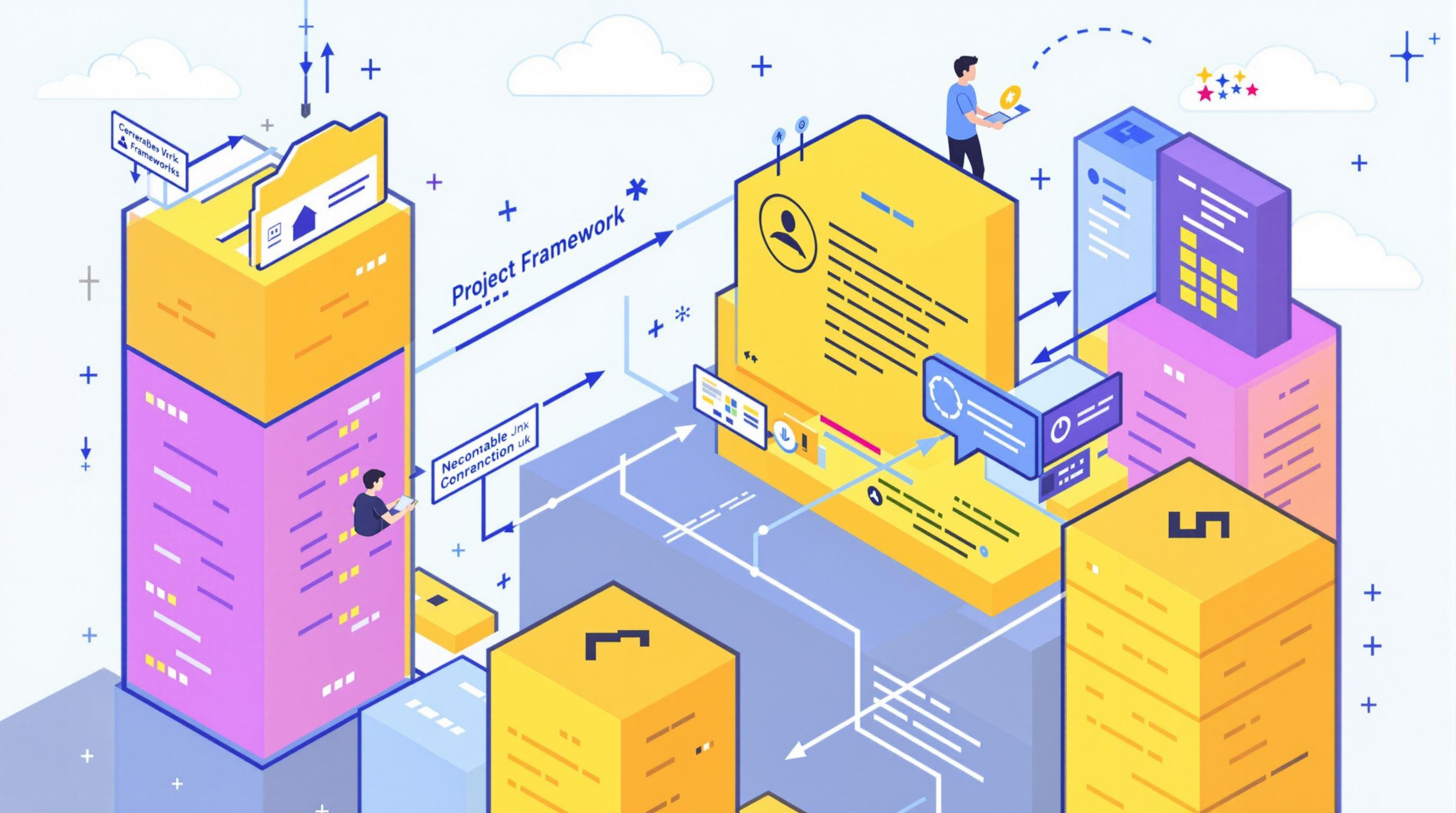
9 Eye-Opening Insights into Serverless Frameworks That Can Revitalize Your Development Process and Innovate Project Management
9 Eye-Opening Insights into Serverless Frameworks That Can Revitalize Your Development Process and Innovate Project Management
1. Understanding the Basics of Serverless Architecture
Serverless architecture allows developers to build applications without managing the infrastructure. Instead of provisioning servers, developers focus on writing code, which is then executed in response to events. This can include anything from database changes to API calls, making it a flexible option for modern applications.
At its core, serverless computing involves cloud providers handling the server management. Developers can deploy their code, and the cloud provider automatically handles scaling, availability, and execution, meaning less overhead and more time for coding.
Leading cloud platforms like AWS Lambda, Google Cloud Functions, and Azure Functions have contributed to the growth of serverless architecture, making it accessible and efficient for a wide range of projects. Understanding its fundamentals is vital for any organization seeking to innovate in its development process.
2. Cost Efficiency in Development
One of the most compelling advantages of serverless frameworks is the drastic reduction in costs. Traditional server-based architecture requires ongoing maintenance and a continuous throughput, leading to significant expenses. In contrast, serverless solutions only charge for the compute time consumed, allowing organizations to save money in low-traffic situations.
This pay-as-you-go model means that businesses only pay for what they use, which can revitalize their budgeting for projects. It minimizes the risk of over-provisioning resources, ensuring funds are allocated towards development efforts rather than wasted infrastructure costs.
As a result, teams can prioritize innovation and experiment with new ideas, leading to faster iteration cycles. For example, companies can develop multiple prototypes without worrying about inflated costs, ultimately enhancing their ability to deliver value quickly.
3. Enhanced Scalability and Flexibility
Serverless frameworks allow applications to scale automatically based on demand. Essentially, when traffic spikes, the serverless platform can allocate additional resources instantaneously, ensuring that performance remains consistent and reliable.
Such scalability ensures that developers can build applications designed for current market demands while having the capability to adapt as those demands change. This flexibility not only enhances the user experience but also aligns project management strategies with real-time performance insights.
The ability to deploy multiple functions independently means that services can evolve at their own pace, facilitating agile development practices. Team members can work on different parts of the application without disrupting other components, often resulting in faster release cycles.
4. Boosting Developer Productivity
With serverless frameworks abstracting server management, developers can concentrate on writing and deploying code. The reduction in overhead tasks leads to measurable productivity gains, as teams are no longer burdened by operational concerns.
Developers can leverage various built-in functionalities provided by cloud platforms, such as authentication, database services, and notification systems, which accelerates development time. This allows for a focus on innovation rather than routine maintenance.
As a consequence, teams can shift from traditional waterfall models to more iterative and Agile methodologies, ultimately fostering a culture of experimentation. This shift encourages developers to innovate and take risks without the fear of heavy investment in infrastructure.
5. Improved Collaboration and Cross-Disciplinary Teams
Serverless computing fosters a culture of collaboration among cross-disciplinary teams. When separate functions can be developed and deployed independently, both developers and non-developers like product owners and marketers can coalesce around shared goals.
This collaboration can enhance communication, as project stakeholders have real-time insights into development progress via streamlined workflows. Everyone involved can see how their contributions affect the overall output, fostering a unified vision.
Establishing a collaborative environment also encourages knowledge-sharing, as team members from different disciplines can discuss their work and gain insight into how serverless technologies work. This cross-pollination of ideas can lead to innovative approaches and solutions.
6. Quick Prototyping and Experimentation
One of the most advantageous aspects of serverless frameworks is the ease with which prototypes can be developed. The ability to quickly deploy a new function means teams can test and iterate on ideas rapidly, which is invaluable in fast-paced environments.
This experimentation-friendly architecture allows businesses to pivot quickly based on customer feedback or market changes, mitigating risks associated with the product lifecycle. Organizations can validate concepts before making heavy investments in development.
Serverless platforms offer features that help assess prototypes' performance, such as monitoring tools and analytics, enabling quick adjustments based on real data. This alignment of development and user feedback streamlines the entire project management process.
7. Simplified DevOps Processes
Serverless frameworks simplify the development and operations (DevOps) relationship by minimizing operational responsibilities. Developers focus solely on deploying functions, while the cloud provider manages the underlying resources.
This separation of concerns allows for the implementation of continuous integration and continuous deployment (CI/CD) practices, encouraging teams to deploy code frequently and with confidence. Automation becomes a more feasible reality, enhancing overall project efficiency.
As developers transition to serverless, they can leverage APIs and microservices, promoting a modular architecture that further aids in maintaining code quality and reducing deployment times, ultimately leading to a more seamless collaboration between development and operations teams.
8. Enhanced Security Posture
Security is a crucial element of modern application development. Serverless frameworks inherently provide a reduction in potential attack vectors because the attack surface is smaller. Developers don't manage the underlying infrastructure, which lessens exposure to common threats.
Cloud providers typically implement rigorous security measures, safeguarding applications against threats while allowing developers to concentrate on securing their code. Many serverless platforms include built-in security features, such as encryption and access management, that enhance baseline security.
This focus on security can lead to more robust applications since development teams are encouraged to adhere to best practices, such as setting up secure access controls and monitoring unprivileged requests proactively, helping innovating practices align with secure development lifecycle methodologies.
9. Future Trends and Innovations in Serverless Technology
As serverless technology evolves, new trends are continuing to emerge that will impact development and project management. For instance, the rise of event-driven architecture and the integration of machine learning with serverless functions are just a glimpse of what the future holds.
Continuous improvement in serverless deployment practices allows organizations to integrate cutting-edge technologies seamlessly. This ongoing evolution presents opportunities to build smart applications with enhanced capabilities, such as real-time data processing and personalized user experiences.
By staying informed of these trends and adapting their development processes accordingly, organizations can maintain a competitive edge. Embracing serverless architecture fully will be essential for project managers and teams looking to leverage technology for innovative solutions.
Read More