Related Articles
- Unconventional Wisdom: Exploring Surprising Influencers Shaping Consumer Trends in 2023's Niche Ecosystems
- Beneath the Surface: Discovering the Unlikely Impact of Micro-Communities on 2023's Consumer Landscape
- Unexpected Catalysts: Exploring the Surprising Forces Influencing Subculture Trends in 2023
- Unmasking Influences: The Unlikely Narratives Behind Today's Obscure Market Trends and Consumer Choices
- The Paradox of Generosity: How Giving Can Lead to Unexpected Financial Gains in Competitive Markets
- The Unexpected Cost of Silence: How Communication Gaps Drain Resources in Organizations

Function-as-a-Service: Unveiling the Impact on Environmental Sustainability and Green Tech Innovation
Function-as-a-Service: Unveiling the Impact on Environmental Sustainability and Green Tech Innovation
Function-as-a-Service (FaaS) is revolutionizing not only the tech landscape but also ushering in a new era of environmental sustainability and green tech innovation. This article explores the intricate interplay between FaaS, its ecological advantages, and its potential to spearhead green initiatives across various sectors.
The Basics of Function-as-a-Service (FaaS)
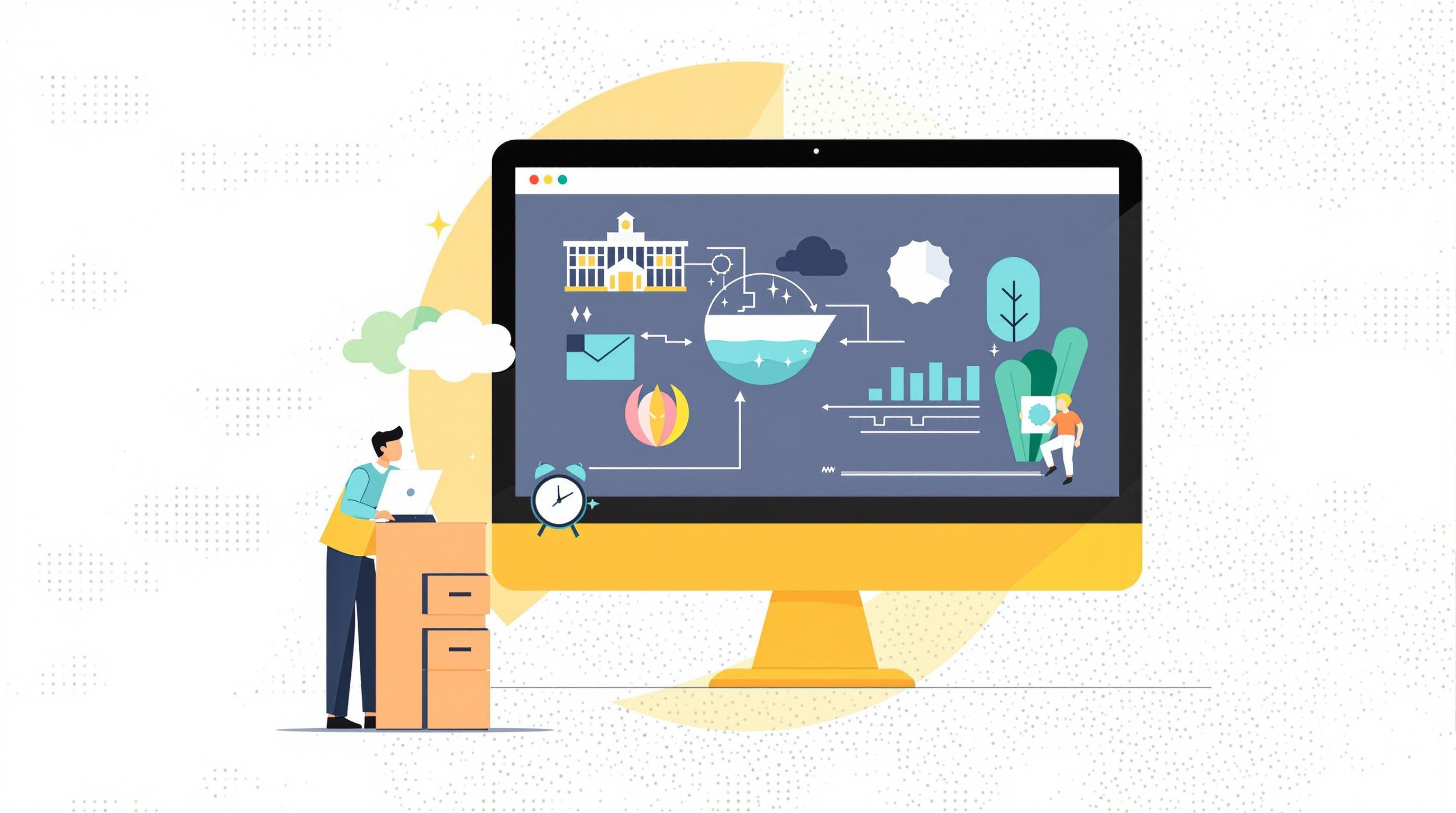
Function-as-a-Service is a cloud computing service model that enables developers to build, deploy, and run applications without the complexity of managing the underlying infrastructure. Think of it as the ultimate power tool in the toolbox of modern software development. In simple terms, FaaS allows you to focus on writing code while the cloud provider handles everything else, including scaling, load balancing, and servers. The result? More efficient development cycles and, crucially, better resource management.
Environmental Impact: The Green Scorecard
When discussing the environmental impact of technology, it’s easy to fall into a swirling discussion of carbon footprints and electronic waste. According to a study by Gartner, organizations can achieve up to 30% more efficient use of their data center resources through serverless architectures like FaaS. In practical terms, this means less energy consumption and reduced greenhouse gas emissions. Super cool, right?
Weaving Stories: From Waste to Wealth
Consider the story of a small startup, EcoWidget, that decided to practice what it preached in their tech stack. By utilizing FaaS, this eco-friendly company optimized its application to scale up during peak usage, minimizing resource waste. Over a year, they reported a 20% reduction in their operational carbon footprint because they only paid for computing power when it was truly needed. This also sparked a local tech revolution, proving that sustainable practices can be both profitable and environmentally responsible.
Persuasive Case: Why Businesses Should Adopt FaaS
Companies, listen up! Implementing FaaS can dramatically enhance your sustainability score. For every unit of energy saved via efficient computing, there are significant savings in terms of costs. According to the International Energy Agency, data centers consumed about 200 terawatt-hours, or roughly 1% of the world's electricity. Imagine the collective impact if every tech company adopted FaaS. It's time for a paradigm shift!
A Gentle Jibe at Server Farms
Now, let’s have a chuckle at our old friend, the traditional server farm. You know them: those hulking facilities filled with servers that are constantly either underutilized or overworked. It's like a vibe of perpetual imbalance. Why do they exist when we could just use FaaS and let the cloud do the heavy lifting? They're like that old flip phone you insist on keeping, even though smartphones are all the rage. Time to upgrade, folks!
The Ripple Effects on Green Tech Innovation
FaaS doesn’t just contribute to sustainability; it actively fosters green tech innovation. For instance, companies can prototype eco-friendly solutions more rapidly and at lower costs. The time spent on setting up infrastructure can now be invested in research and development of renewable technologies, contributing to a greener planet. Imagine the innovations we could see in solar energy solutions or carbon capture technologies!
Youth Movements and the Call for Sustainability
As an 18-year-old writer, I feel compelled to address my peers: we are the generation that must tackle climate change! The youth today are demanding sustainability from corporations. FaaS presents a unique opportunity for startups—our startups—to develop their technologies in an environmentally friendly manner, thereby responding to the very climate-centric values we hold dear.
A Statistical Breakdown: FaaS vs. Traditional Models
Let’s dig deep into the numbers! A report from Serverless Framework indicates that companies using FaaS solutions have seen not just a 30% boost in efficiency but also a 50% decrease in operational costs. Even more astonishing is a projection from Predictive Analytics World that estimates FaaS will drive $38 billion in global revenue by 2026, all while reducing energy waste in the process.
The Global Perspective: International Green Initiatives
Looking beyond individual companies, FaaS plays a pivotal role in global initiatives aimed at reducing carbon footprints. Programs like the EU’s Green Deal push for greener tech solutions across Europe, and FaaS enables organizations to adapt to these regulatory changes seamlessly. By leaning into serverless computing, companies become part of a broader movement toward sustainability that benefits not just them but societies and ecosystems globally.
Learning Lessons from Early Adopters
Let’s glance at a case study involving Netflix, which migrated much of its infrastructure to FaaS models. While they are more commonly known for binge-watch failures, they also set the stage for remarkable energy savings. In 2020, Netflix reported a reduction of over 10 million kilograms of carbon dioxide emissions annually through their serverless initiatives. Who could argue with that kind of impact? If Netflix can do it while keeping us glued to the screen, surely, other businesses can, too!
In Conclusion: The Future is Green
As we look toward the future, Function-as-a-Service stands as a beacon of potential in the green tech landscape. It’s not just about efficiency; it’s about rethinking how we approach software development, resource usage, and our collective responsibility toward our planet. Adopting FaaS could lead us to a sustainable tech future where innovation thrives without compromising the environment. Embrace it, advocate for it, and watch as the tech world transforms into a greener, planet-friendly community.
Read More