Related Articles
- Unconventional Wisdom: Exploring Surprising Influencers Shaping Consumer Trends in 2023's Niche Ecosystems
- Beneath the Surface: Discovering the Unlikely Impact of Micro-Communities on 2023's Consumer Landscape
- Unexpected Catalysts: Exploring the Surprising Forces Influencing Subculture Trends in 2023
- Unmasking Influences: The Unlikely Narratives Behind Today's Obscure Market Trends and Consumer Choices
- The Paradox of Generosity: How Giving Can Lead to Unexpected Financial Gains in Competitive Markets
- The Unexpected Cost of Silence: How Communication Gaps Drain Resources in Organizations
Beyond the Code: How Function-as-a-Service is Transforming Micropayments and Content Monetization Strategies
Beyond the Code: How Function-as-a-Service is Transforming Micropayments and Content Monetization Strategies
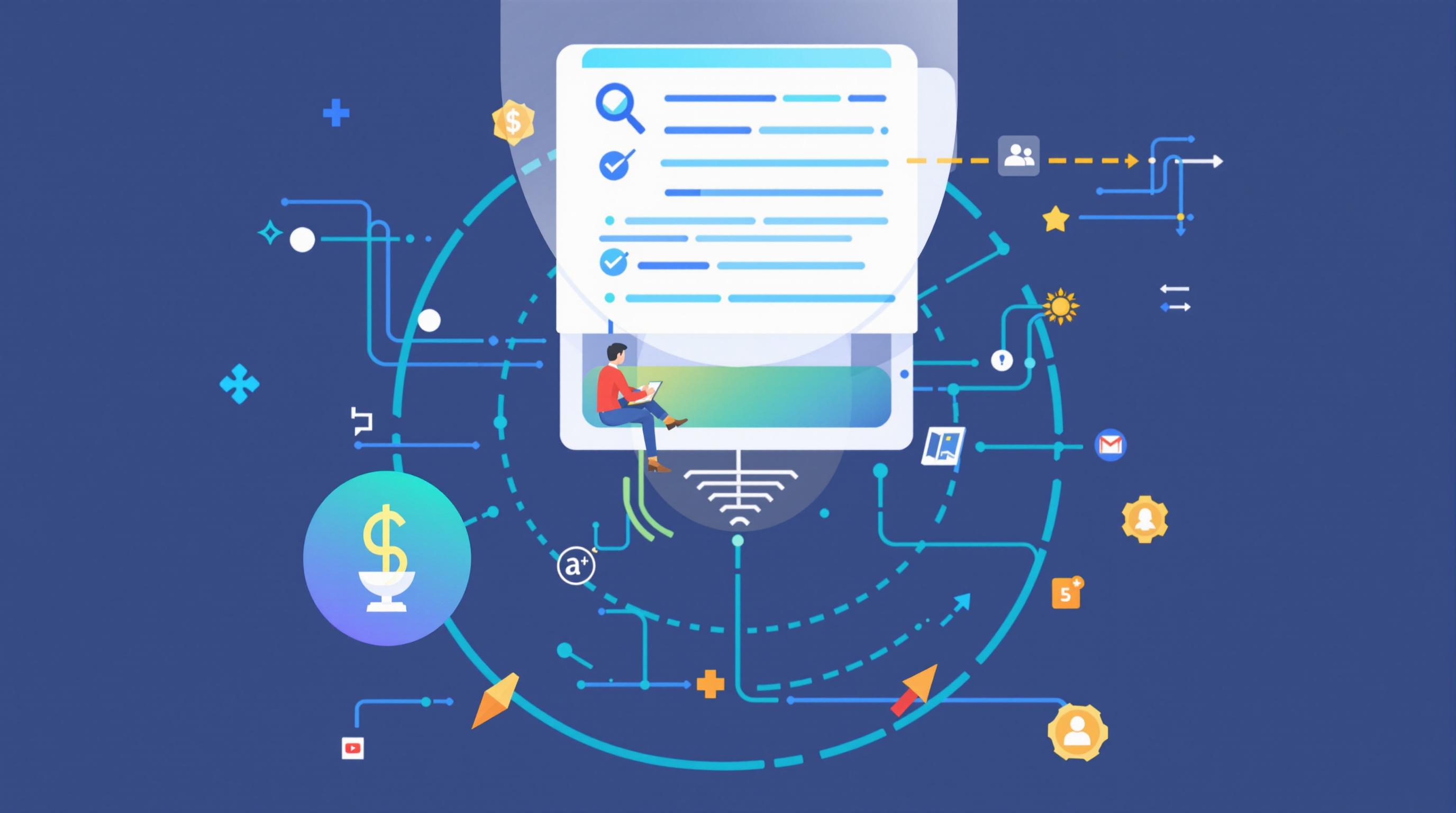
Function-as-a-Service (FaaS) is revolutionizing the landscape of micropayments and content monetization, providing innovative solutions for creators and consumers alike. This article delves into the various ways FaaS is changing the game, backed by compelling statistics, case studies, and real-life examples.
The FaaS Phenomenon
Function-as-a-Service is not just a tech buzzword—it’s a transformative model that allows developers to deploy individual functions or pieces of code without managing the infrastructure. According to a recent report by MarketsandMarkets, the FaaS market is expected to grow from $7.9 billion in 2021 to $25.2 billion by 2026, which presents a significant opportunity for content creators in the micropayment landscape.
How FaaS Works
Imagine a world where you can pay a few cents to listen to a podcast episode, read a premium article, or watch a short film—without cumbersome payment processes. With FaaS, developers can focus on writing code to enable these transactions, while cloud providers manage the server backend. Think of it as ordering fast food: you simply make your choice, and everything else is handled in the kitchen (or in this case, the cloud).
Statistics That Speak Volumes
In a world where attention is currency, it’s essential to convert that attention into revenue. According to a survey by PayPal, 48% of consumers couldn’t be more engaged with micropayments if they were presented as viable and seamless options. This indicates a vast market that FaaS can cater to!
Real-Life Applications of FaaS in Micropayments
Let's consider Substack, a platform that allows writers to monetize their content. With FaaS, these writers can implement payment gateways seamlessly through functions that only require minimal coding. This kind of integration reduces the friction that often deters users from making small purchases.
Case Study: Twitch and Microtransactions
Twitch, a popular streaming platform, implemented a subscription model where users can pay as little as $4.99 a month for exclusive access. But what about those incremental moments when viewers want to tip their favorite streamers? Using FaaS, Twitch developers can deploy fee-per-action functions that allow for instant micropayments during streams—think of it as slipping a dollar to a street performer for that awe-inspiring magic trick.
By using FaaS, Twitch has successfully integrated multiple ways for viewers to support their favorite content creators, resulting in an astounding average revenue per user of around $5.60, according to StreamElements’ report on the state of Twitch.
The Creative Mind Behind Monetization
Meet Amanda, a 28-year-old creative writer who recently decided to launch her blog where she shares her unique poetry. Initially skeptical about monetization, her viewpoint shifted after learning about FaaS. With just a few clicks, she integrated a payment function and began charging $0.99 for individual poems. In just a few months, she made over $2,000! Amanda's success story is not in isolation; thousands of content creators are innovating their monetization strategies through FaaS.
The Evolution of Consumer Behavior
It’s vital to recognize the psychological shift happening among consumers. As younger generations increasingly seek short-format content, platforms that foster microtransactions are growing in popularity. Koumbis, a digital payments expert, emphasizes that “the modern consumer often looks for quality and convenience—if they can get it for a few cents, they will.”
The Advantages of FaaS for Creators
The beauty of FaaS goes beyond ease of use; it offers flexibility. Creators can adapt their monetization strategies based on audience behavior, testing different pricing models without extensive overhead. For example, a musician could charge a different rate for early access to albums or exclusive concert footage—all managed through cloud functions with minimal risk.
Common Misconceptions
It’s easy to assume that implementing FaaS is tech-heavy, but that’s a common misconception. Many platforms offer pre-built functions that require no coding expertise. Let’s face it: if you can navigate Facebook, you can handle FaaS. The complexity is often hidden in the background—just like the intricate cooking involved in a fancy dish you ordered at a restaurant.
Unlocking the Potential of Micropayments
To unleash truly innovative micropayment systems, creators need to look beyond traditional models. Currently, emerging digital art platforms like Tezos are leading the charge with features that let artists sell fragments of their work at affordable prices. For instance, a digital artist could sell a limited-edition NFT for just $1 or let buyers pay per view—a concept made viable through FaaS architectures.
Humor in Monetization: Making People Smile for Cash
Let’s sprinkle in some levity here: what if you could pay a few cents to unlock punchlines in a comedian's act? With FaaS, comedians could monetize their content by charging $0.10 per joke. You chuckle, they cash in! Sounds like a win-win, right?
The Road Ahead: What's Next for FaaS and Micropayments?
As more businesses adopt FaaS models, the future of micropayments looks promising. We expect to see platforms emerging that specialize entirely in microtransactions, focusing on everything from digital art sales to interactive media. The excitement lies in more seamless and interactive experiences for consumers, especially through augmented and virtual reality—imagine tipping your virtual waiter with a simple nod and a breeze of your hand!
Conclusion: Embracing Change
The evolution of FaaS in the micropayment and content monetization realm is an exciting journey that continues to unfold. With the potential for more flexible, accessible, and engaging transaction methods, creators and consumers alike stand to benefit. As Amanda can attest, the possibilities are limitless.
Change is daunting, but the encouraging news is that FaaS is breaking down barriers. Adopting this approach could be the key to unlocking new revenues for creators who want to share their work with the world while also being rewarded for it. So, to all aspiring and established content creators out there, it’s time to embrace the levers of FaaS.
Read More