Related Articles
- Unconventional Wisdom: Exploring Surprising Influencers Shaping Consumer Trends in 2023's Niche Ecosystems
- Beneath the Surface: Discovering the Unlikely Impact of Micro-Communities on 2023's Consumer Landscape
- Unexpected Catalysts: Exploring the Surprising Forces Influencing Subculture Trends in 2023
- Unmasking Influences: The Unlikely Narratives Behind Today's Obscure Market Trends and Consumer Choices
- The Paradox of Generosity: How Giving Can Lead to Unexpected Financial Gains in Competitive Markets
- The Unexpected Cost of Silence: How Communication Gaps Drain Resources in Organizations
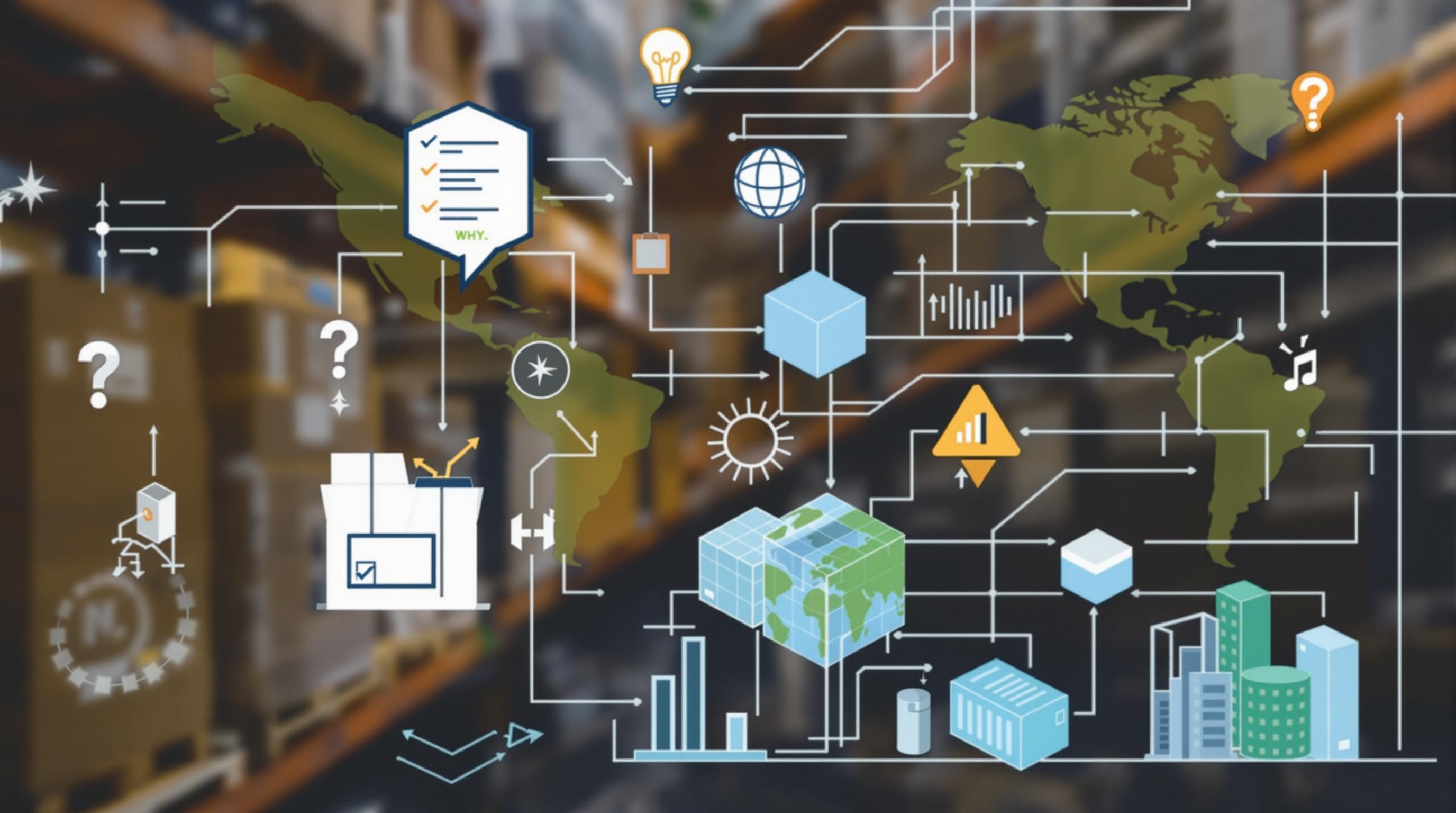
7 Surprising Ways Function-as-a-Service is Influencing Global Supply Chain Resilience and Agility
7 Surprising Ways Function-as-a-Service is Influencing Global Supply Chain Resilience and Agility
Introduction
In today's fast-paced world, businesses are increasingly faced with the need for resilience and agility in their supply chains. The rise of Function-as-a-Service (FaaS) is reshaping how companies approach these challenges. By enabling on-demand access to computing resources, FaaS allows organizations to react swiftly to market changes, enhance productivity, and optimize operational efficiency.
FaaS leverages cloud computing to deliver microservices that can be deployed as needed, reducing the overhead of infrastructure management. This shift has significant implications for global supply chains, offering a new level of flexibility. As organizations adapt to the rapidly changing global landscape, the integration of FaaS solutions can help bolster resilience and agility.
This article explores seven surprising ways that Function-as-a-Service is influencing global supply chain resilience and agility, presenting a modern perspective on how businesses can leverage these technological advancements.
1. Enhancing Data Management
One of the primary advantages of FaaS is its capacity for streamlined data management. By utilizing microservices, businesses can process and analyze vast amounts of supply chain data dynamically. This facilitates real-time decision-making, allowing companies to respond quickly to disruptions or changes in demand.
For example, a multinational corporation can implement a FaaS solution to analyze market trends and logistics performance continuously. By synthesizing this data, organizations can identify potential bottlenecks in their supply chain and act proactively, rather than reactively.
The increased data accessibility and manageability offered by FaaS creates a more transparent supply chain, which is essential for effective risk mitigation. Companies can turn their data into actionable insights, strengthening their operational frameworks against unforeseen challenges.
2. Cost Efficiency and Resource Allocation
Function-as-a-Service optimizes costs for organizations by allowing them to pay only for the resources they use, instead of maintaining expensive infrastructure. This pay-as-you-go model can lead to substantial cost savings, freeing up capital for investment in other areas of the supply chain.
Organizations can capitalize on FaaS to experiment with new technologies and tender innovative projects without the burden of upfront costs. This enhanced flexibility enables businesses to adapt their resource allocation swiftly based on current supply chain needs.
As a result, companies can increase their operational agility and ability to pivot their strategies, creating a more resilient supply chain that can weather economic fluctuations and disruptions effectively.
3. Accelerating Product Development Cycles
FaaS has a significant impact on product development cycles by enabling organizations to prototype, test, and scale applications rapidly. This agility is vital in fast-paced markets where the ability to innovate and bring products to market can determine a company's success.
With FaaS, teams can launch new services and products more swiftly, responding to consumer demands and market trends with remarkable speed. The microservices architecture allows for parallel processing, ensuring that tasks can be executed simultaneously rather than sequentially.
This acceleration in product development not only supports market competitiveness but also enhances overall supply chain responsiveness. Consequently, businesses can align their offerings closely with consumer expectations, fostering sustainability and trust in their supply chain management.
4. Facilitating Supply Chain Collaboration
The decentralized nature of FaaS promotes enhanced collaboration among supply chain partners. By sharing microservices and resources, organizations can work together more effectively, regardless of geographic boundaries. This interconnectedness is crucial in maintaining continuity in operations.
For instance, FaaS can enable real-time communication and data sharing between suppliers, manufacturers, and distributors. This fosters a collaborative environment where partners can resolve issues quickly and coordinate logistics seamlessly.
Such collaborative capabilities lead to improved relationship management and trust among stakeholders in the supply chain, ultimately reinforcing resilience against disruptions caused by external factors.
5. Improving Demand Forecasting
Accurate demand forecasting is essential for maintaining a resilient supply chain. FaaS enables organizations to harness advanced analytics and machine learning algorithms for better demand prediction. With a more precise understanding of consumer behavior, businesses can optimize their inventory management and minimize waste.
By integrating FaaS with their existing data systems, companies can refine their forecasting models based on real-time sales data and external factors affecting demand. This improved accuracy helps organizations prepare for fluctuations in demand, ensuring that they can meet customer needs effectively.
Consequently, accurate demand forecasting empowered by FaaS supports a more agile supply chain, positioning companies to adapt quickly to market changes while maintaining operational efficiency.
6. Strengthening Supply Chain Security
With the rise of cyber threats in the digital age, securing supply chains against vulnerabilities is more important than ever. FaaS provides enhanced security measures through its cloud-based architecture, allowing organizations to implement robust cybersecurity protocols that are continuously updated.
The modular nature of FaaS solutions allows companies to isolate critical functions and protect sensitive data more efficiently. By utilizing specific security services, they can mitigate risks associated with data breaches and cyber-attacks, ensuring business continuity.
This heightened security contributes significantly to supply chain resilience. Organizations can trust their systems to safeguard vital information, ultimately maintaining the integrity of their operations in an increasingly connected world.
7. Supporting Sustainability Initiatives
As businesses increasingly focus on sustainability, FaaS can play a leading role in minimizing environmental impact. By optimizing resource consumption and improving operational efficiency, organizations can reduce their carbon footprint significantly.
FaaS allows companies to assess their supply chain processes and identify areas for improvement. For example, organizations can analyze transportation routes to minimize fuel consumption, thus promoting a sustainable approach while still meeting consumer demands.
By integrating sustainability initiatives with FaaS, businesses not only enhance their resilience but also create positive brand value and customer loyalty. Consumers today are more conscious of sustainability, and companies that prioritize these values can differentiate themselves in the marketplace.
Conclusion
The influence of Function-as-a-Service on global supply chain resilience and agility is profound and multifaceted. From enhancing data management to supporting sustainability initiatives, FaaS provides organizations with the tools they need to navigate an increasingly complex business environment.
By embracing FaaS, organizations can remain competitive and responsive, turning challenges into opportunities for growth. This innovative approach to supply chain management fosters collaboration, agility, and security—essential elements for success in the modern marketplace.
As businesses evolve and adapt, the integration of Function-as-a-Service will undoubtedly play a crucial role in shaping the future of supply chains around the world.
Read More