Related Articles
- Unconventional Wisdom: Exploring Surprising Influencers Shaping Consumer Trends in 2023's Niche Ecosystems
- Beneath the Surface: Discovering the Unlikely Impact of Micro-Communities on 2023's Consumer Landscape
- Unexpected Catalysts: Exploring the Surprising Forces Influencing Subculture Trends in 2023
- Unmasking Influences: The Unlikely Narratives Behind Today's Obscure Market Trends and Consumer Choices
- The Paradox of Generosity: How Giving Can Lead to Unexpected Financial Gains in Competitive Markets
- The Unexpected Cost of Silence: How Communication Gaps Drain Resources in Organizations
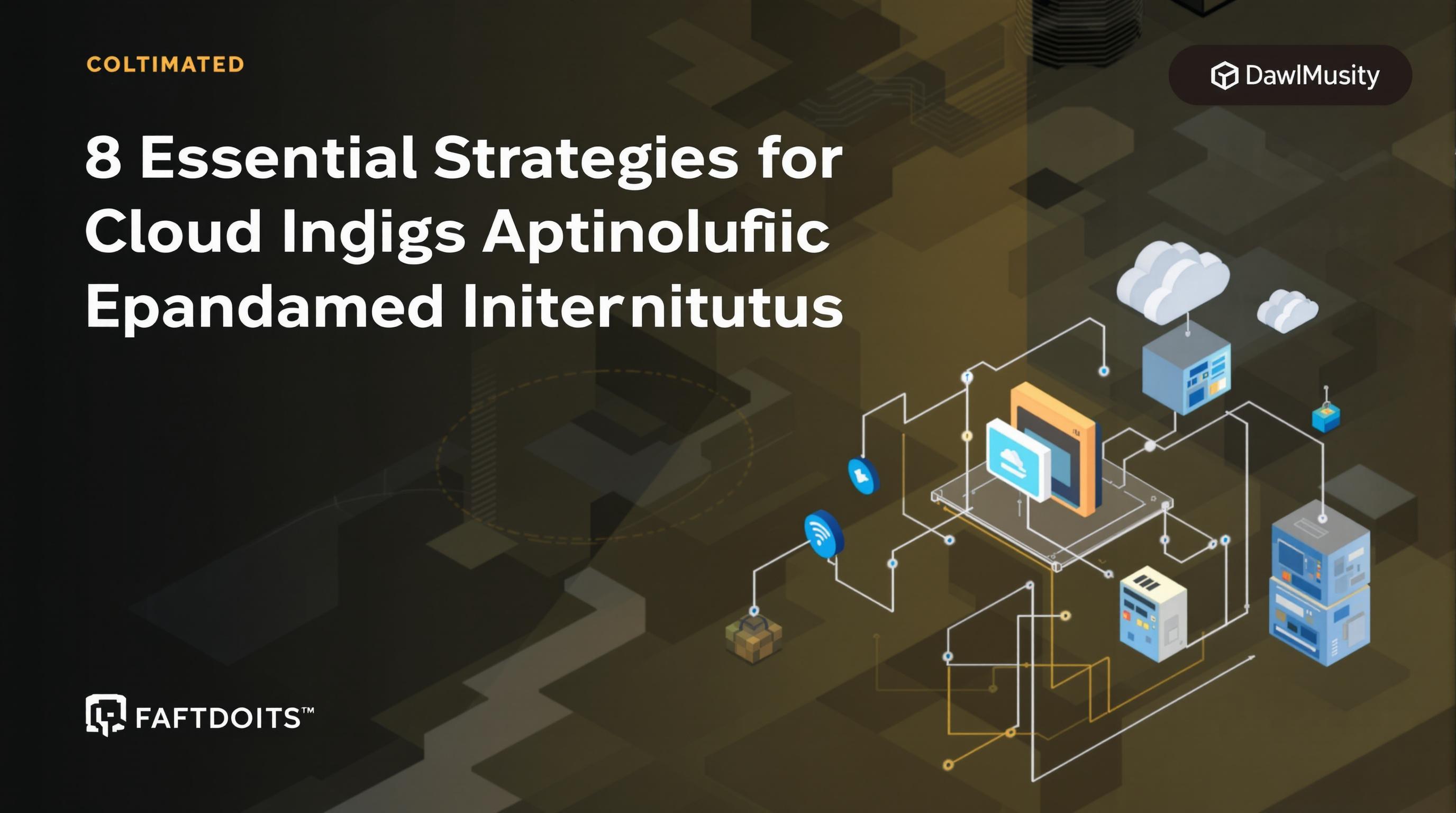
8 Essential Strategies for Optimizing Cloud Integration: Bridging Disparate Systems for Enhanced Operational Interplay
8 Essential Strategies for Optimizing Cloud Integration: Bridging Disparate Systems for Enhanced Operational Interplay
8 Essential Strategies for Optimizing Cloud Integration: Bridging Disparate Systems for Enhanced Operational Interplay
1. Understand Your Current Infrastructure
Before initiating the cloud integration process, it's crucial to have a comprehensive understanding of your existing infrastructure. This involves conducting a detailed assessment of current systems, applications, and their dependencies. By mapping out these components, organizations can identify areas that require integration and understand the implications for data flow and operational processes.
In addition to understanding the technology stack, evaluate the roles of individuals involved in IT processes. This includes recognizing the expertise and knowledge gaps that may exist within the team. An assessment of the human element can reveal how organizational culture affects cloud adoption and integration.
Many companies fail to optimize integrations due to a lack of visibility into their current systems. Thus, investing time and resources in this foundational step can save significant effort during the integration process. Planning effectively at this stage can help streamline subsequent strategies for cloud integration.
2. Prioritize Business Goals
When integrating cloud solutions, aligning with business goals should remain a top priority. Decision-makers must consider how cloud integration will support and enhance overarching objectives, whether these pertain to cost reduction, improved customer experience, or operational efficiency. By anchoring strategies to these goals, the risks of misalignment can be mitigated.
Moreover, having a clear understanding of business priorities allows organizations to pinpoint specific applications and systems for integration. This strategic focus helps in allocating resources efficiently and ensuring that the development and operational teams remain on the same page throughout the process.
Frequent communication about business objectives can also facilitate buy-in from stakeholders. As a result, organizations can foster collaboration between technical and non-technical teams, ensuring that everyone involved understands the integration's end goals and how they contribute to overall success.
3. Choose the Right Cloud Integration Platform
With myriad cloud integration platforms available, selecting the right one is paramount for success. Evaluate options based on scalability, ease of use, and compatibility with existing systems. A platform that offers flexibility will enable businesses to adapt to evolving technology needs and integration requirements.
It's essential to take advantage of trial versions or demos offered by these platforms. This hands-on experience allows organizations to gauge usability and identify any potential features or issues related to their specific use cases. A thorough vetting process ensures that the chosen solution can accommodate organizational growth without requiring a complete overhaul.
Furthermore, seek feedback from current users of the platforms under consideration. This can unveil valuable insights regarding real-world applications, limitations, and support experiences that may not be visible through formal marketing materials.
4. Implement Robust Security Measures
As organizations transition to the cloud, security becomes a major concern. Implementing robust security measures is non-negotiable in ensuring data integrity and protecting sensitive information. This involves employing encryption standards, access controls, and regular vulnerability assessments on integrated systems.
Additionally, organizations should foster a culture of security awareness among employees. Training sessions that highlight potential threats and best practices can play a pivotal role in minimizing human error, which is often the weakest link in cybersecurity.
Moreover, post-integration monitoring should be instituted to detect and respond to security incidents rapidly. By continuously assessing the security landscape and adapting to new threats, companies can protect their cloud investments and maintain consumer trust.
5. Foster Inter-departmental Collaboration
Successful cloud integration often hinges on effective collaboration between departments. Building a multidisciplinary team can enhance communication and ensure that diverse perspectives are represented in the decision-making process. This collaboration fosters a more holistic understanding of organizational needs, which is key for integration success.
Regular cross-departmental meetings can encourage knowledge sharing and uncover potential integration challenges that may be overlooked when teams operate in silos. Utilizing project management tools can facilitate this collaboration, enabling teams to track progress and share insights seamlessly.
Additionally, cross-training employees on various systems can enhance operational efficiency. It empowers staff with a broader skillset, reducing reliance on specific individuals and ensuring that integrated systems function smoothly regardless of personnel changes.
6. Leverage APIs for Seamless Connectivity
Application Programming Interfaces (APIs) are crucial for enabling seamless connectivity between different systems and platforms. By leveraging APIs, organizations can facilitate real-time data synchronization and streamline workflows across disparate systems. This eliminates bottlenecks often caused by manual data entry or inefficient data transfer methods.
It's essential, however, to ensure that these APIs are well-documented and regularly updated. Poorly managed APIs can lead to integration headaches and poor system performance. Establishing governance around API usage can help prevent issues from arising and promote best practices within teams.
Moreover, consider adopting an API gateway strategy that simplifies traffic management, enhances security, and provides insight into API usage. This approach facilitates better control over data flows and contributes to smoother integration across different platforms.
7. Monitor Performance and Optimize Regularly
Cloud integration is not a one-and-done fix; it requires ongoing monitoring and optimization. Establish key performance indicators (KPIs) to measure integration effectiveness, such as user satisfaction, system responsiveness, and error rates. Regular assessments of these metrics can identify areas requiring enhancement.
Moreover, setting up automated monitoring tools can help in immediately detecting integration issues, thus reducing downtime. Automation can also provide real-time analytics, enabling teams to make informed decisions that improve operational efficiency.
Encouraging a mindset of continuous improvement within the organization will further bolster integration performance. Emphasizing the importance of adaptability can ensure that cloud integrations remain effective as technology evolves and business dynamics shift.
8. Foster an Agile Response to Change
Cloud environments are continually changing, necessitating an agile approach to integration. Organizations should cultivate an adaptable culture and be prepared to reassess strategies as new technologies and practices emerge. This agility helps companies to leverage opportunities and mitigate threats more effectively.
Regular training sessions and workshops can play a vital role in fostering agility. By keeping employees informed about new integration tools and methodologies, businesses can empower their teams to respond to changes more effectively and innovatively.
Furthermore, an agile response means being receptive to user feedback regarding integrated systems. This feedback loop can highlight areas that require quick modifications, ensuring that systems meet the evolving needs of the organization and its users.
Read More