Related Articles
- Unconventional Wisdom: Exploring Surprising Influencers Shaping Consumer Trends in 2023's Niche Ecosystems
- Beneath the Surface: Discovering the Unlikely Impact of Micro-Communities on 2023's Consumer Landscape
- Unexpected Catalysts: Exploring the Surprising Forces Influencing Subculture Trends in 2023
- Unmasking Influences: The Unlikely Narratives Behind Today's Obscure Market Trends and Consumer Choices
- The Paradox of Generosity: How Giving Can Lead to Unexpected Financial Gains in Competitive Markets
- The Unexpected Cost of Silence: How Communication Gaps Drain Resources in Organizations
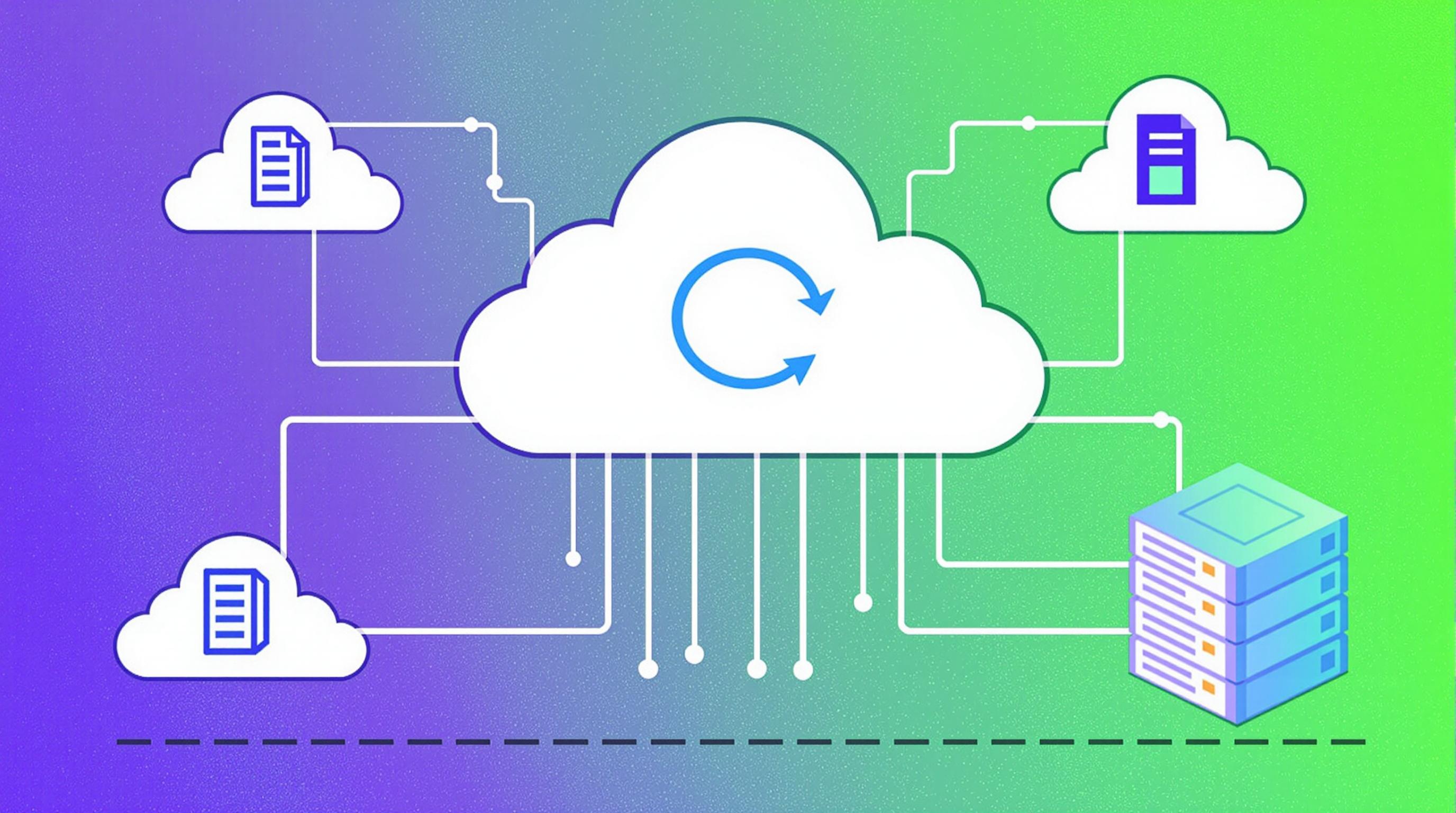
12 Surprising Cloud Integration Strategies: Capitalizing on Unused Bandwidth for Optimal Performance and Cost Efficiency
12 Surprising Cloud Integration Strategies: Capitalizing on Unused Bandwidth for Optimal Performance and Cost Efficiency
12 Surprising Cloud Integration Strategies: Capitalizing on Unused Bandwidth for Optimal Performance and Cost Efficiency
1. Understanding Bandwidth Utilization
Bandwidth utilization is crucial in any integrated cloud system. When designed properly, a system can allocate resources dynamically based on the demand, allowing for optimal performance without unnecessary expenditures. Understanding the patterns of bandwidth consumption can uncover hidden opportunities for efficiency.
Companies often underestimate the unused bandwidth they possess. By analyzing historical data, organizations can identify peak usage times and allocate bandwidth more effectively during off-peak periods. This approach not only conserves costs but also ensures stable performance during high-demand times.
Specialized tools and analytics can help in exposing these hidden bandwidth opportunities. For instance, Google Cloud's Operations Suite offers detailed insights that can help businesses plan their usage accordingly. By leveraging such tools, companies can enhance their cloud performance while minimizing waste.
2. Utilizing Content Delivery Networks (CDNs)
CDNs are an excellent way to use bandwidth more efficiently by distributing content closer to end-users. They cache static resources using a network of distributed servers, significantly reducing the load on the primary bandwidth. By implementing CDNs, businesses can optimize speed and enhance the user experience.
One surprising benefit of CDNs is their effect on bandwidth costs. By offloading traffic from the central servers, organizations can cut down on data transfer fees associated with cloud providers. This can be particularly advantageous for image-heavy sites or applications that need rapid access to resources.
CDNs also provide an added layer of security, reducing the risk of DDoS attacks by distributing traffic evenly across the network. This strategic advantage not only optimizes bandwidth usage but also protects critical business operations, making it a multifaceted integration strategy.
3. Leveraging Edge Computing
Edge computing places data processing closer to the source of data generation, which can significantly reduce bandwidth use. By handling data locally instead of sending it all to a cloud server, companies can minimize latency and enhance performance. This is crucial for applications such as IoT, where real-time processing is necessary.
Implementing edge computing can free up previously bottlenecked bandwidth, allowing cloud services to focus on more crucial tasks. Organizations can prioritize essential data transfers, leading to better cost efficiency and improved service delivery. By transferring less data over long distances, businesses can also shorten their response times.
Moreover, edge computing integrates seamlessly with cloud solutions, providing flexibility in deployment. Organizations can choose hybrid models that combine local and cloud resources, optimizing their operations and enhancing user satisfaction.
4. Cloud Bursting for Load Management
Cloud bursting is a strategy where businesses utilize a private cloud for everyday operations and a public cloud for overflow. This ensures that during peak times, services remain uninterrupted without investing in additional permanent infrastructure. By adopting this strategy, companies can make effective use of their existing bandwidth.
This approach provides a buffer against unexpected surges in service demand. As traffic increases, businesses can tap into the more abundant resources of the public cloud, ensuring optimal performance. This dynamic handling of data can significantly cut down on costs associated with underutilization of resources.
Moreover, cloud bursting can be automated using orchestration tools, ensuring that resources are allocated seamlessly without manual intervention. This enables organizations to focus on core business functions while optimizing their cloud infrastructure.
5. Automating Data Transfers with Scheduling
Automating data transfers through scheduling ensures that bandwidth-intensive operations occur during off-peak hours. By strategically scheduling data uploads or resource-intensive tasks when overall network activity is lower, organizations can optimize their bandwidth use and reduce costs.
Scheduling can significantly reduce performance issues experienced during high-traffic times. For instance, large backups or data migrations can be planned overnight when fewer users are accessing the system. This not only optimizes bandwidth but also protects critical business applications from performance dips.
Tools like Microsoft Azure's Automation can handle this scheduling, freeing teams to focus on more strategic initiatives. By utilizing built-in automation, businesses can ensure that bandwidth is used effectively and expenses remain manageable.
6. Implementing Load Balancers
Load balancers can aid in optimizing bandwidth by distributing workloads across multiple servers. This ensures that no single server becomes overwhelmed, which can lead to slow response times and increased bandwidth consumption. By spreading demands across various resources, organizations maintain smoother performance.
Key features of load balancers include their ability to monitor health metrics. This means that, should one server falter, traffic is seamlessly redirected to active servers, ensuring continuous availability with minimal bandwidth waste. Efficient load management is central to optimizing cloud performance.
Using cloud-native load balancers, such as those offered by AWS or Google Cloud, companies can also reduce costs associated with underutilized resources. By optimizing the flow of data and leveraging existing infrastructure, organizations can achieve more with less.
7. Integrating Serverless Architectures
Serverless computing allows businesses to run applications and services without the need for server management. This model lets organizations utilize bandwidth only when necessary, leading to potential cost savings. As organizations scale, they only pay for the resources they consume, reducing waste dramatically.
One surprising advantage of serverless architectures is the way they handle bursts in traffic. As demand spikes, the serverless model can automatically scale up capacity, utilizing additional bandwidth only when required. This ensures firms maintain excellent performance without upfront investment in bandwidth that may not be consistently needed.
By integrating serverless solutions, organizations can allocate resources dynamically, aiding in overall bandwidth optimization. This flexible architecture promotes innovation as teams can focus on application development rather than server management.
8. Monitoring and Analyzing Traffic Patterns
Monitoring traffic patterns is vital for understanding bandwidth usage, as it enables organizations to identify inefficiencies and optimize their cloud integration strategies. By employing analytics tools, businesses can gauge when their peak usage occurs and adjust their bandwidth allocation strategies accordingly.
Data analytics can illuminate hidden usage trends and potential bottlenecks. Insights gathered can inform decisions on when to leverage additional resources or when to implement cost-reducing optimizations. This strategic approach to decision-making can significantly improve operational efficiency.
Incorporating predictive analytics enhances this strategy further. By forecasting demand based on historical patterns, businesses can proactively allocate bandwidth and resources, boosting overall operational performance while ensuring cost efficiency.
9. Exploring Multi-cloud Strategies
Multi-cloud strategies involve leveraging multiple cloud providers to optimize resources and bandwidth usage effectively. This approach prevents over-reliance on a single provider and allows organizations to choose the best pricing and services available from different vendors. By diversifying cloud solutions, companies can capitalize on unused bandwidth across various platforms.
The flexibility of multi-cloud environments enables businesses to allocate tasks as necessary, reducing the risk of bandwidth saturation. Organizations can move workloads across environments based on operational needs, optimizing their performance without incurring unnecessary costs.
Multi-cloud strategies can be enhanced with the use of orchestration tools that seamlessly integrate resources. This leads organizations to create a fluid resource management strategy that ensures optimal performance and cost savings through effective bandwidth utilization.
10. Educating Employees on Bandwidth Use
Educating employees on responsible bandwidth use can be a surprisingly effective strategy for optimizing performance and reducing costs. By fostering awareness around bandwidth consumption, organizations can ensure that employees make smarter choices regarding resource use. This can help to alleviate unnecessary strain on cloud resources.
Workshops or training sessions can guide teams on best practices for sharing documents, using cloud storage, and implementing efficient communication tools. Encouraging mindful use of bandwidth helps mitigate performance issues caused by overwhelming uploads and downloads.
A culture of shared responsibility for bandwidth usage promotes better resource allocation across the organization. This holistic approach ensures that all employees become active participants in optimizing cloud services for maximum efficiency and minimal cost.
Read More