Related Articles
- Unconventional Wisdom: Exploring Surprising Influencers Shaping Consumer Trends in 2023's Niche Ecosystems
- Beneath the Surface: Discovering the Unlikely Impact of Micro-Communities on 2023's Consumer Landscape
- Unexpected Catalysts: Exploring the Surprising Forces Influencing Subculture Trends in 2023
- Unmasking Influences: The Unlikely Narratives Behind Today's Obscure Market Trends and Consumer Choices
- The Paradox of Generosity: How Giving Can Lead to Unexpected Financial Gains in Competitive Markets
- The Unexpected Cost of Silence: How Communication Gaps Drain Resources in Organizations
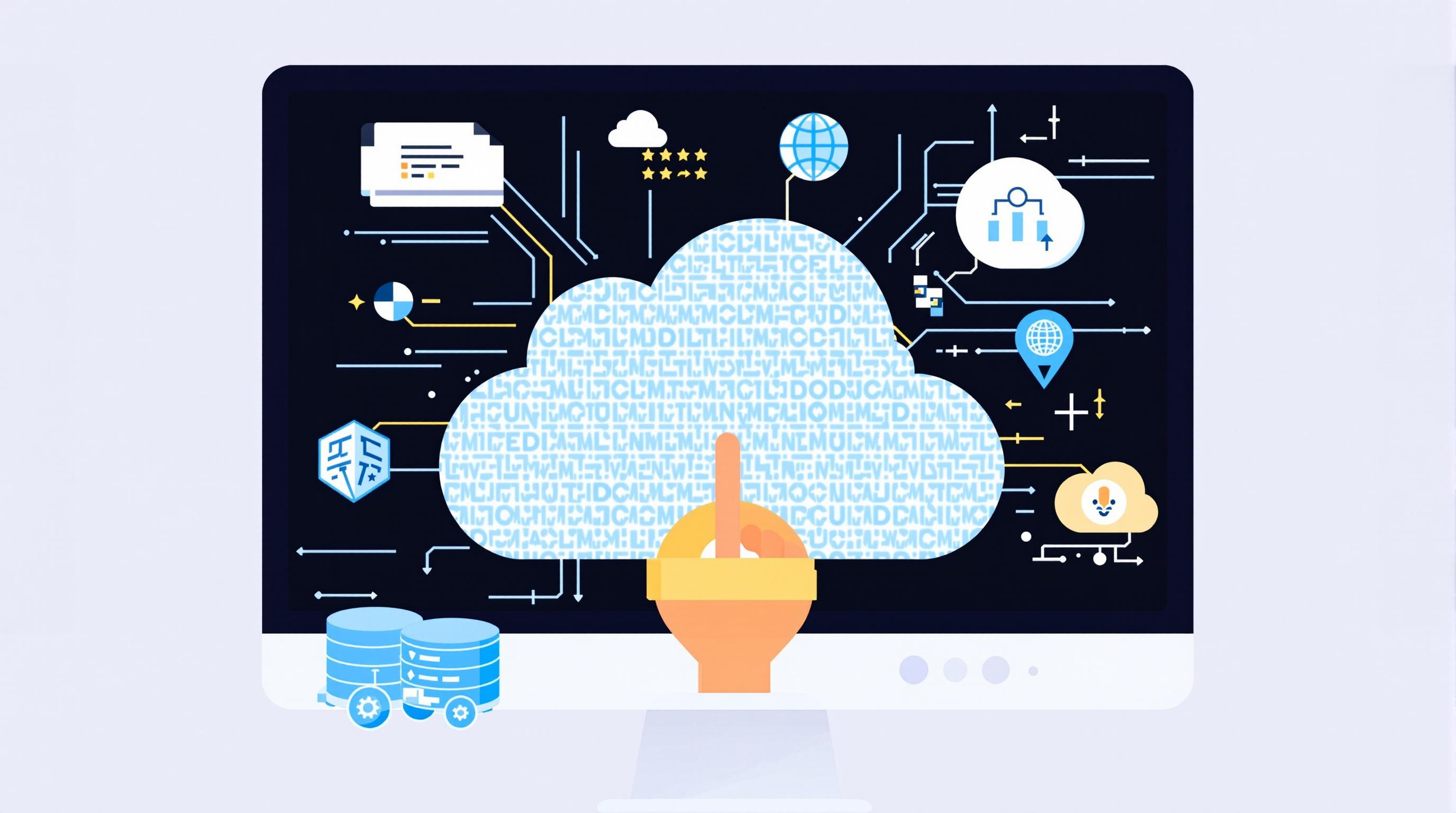
7 Uncommon Cloud Integration Insights: Unlocking the Hidden Potential of User-Centric Data for Strategic Growth
7 Uncommon Cloud Integration Insights: Unlocking the Hidden Potential of User-Centric Data for Strategic Growth
7 Uncommon Cloud Integration Insights: Unlocking the Hidden Potential of User-Centric Data for Strategic Growth
1. The Power of Real-Time Data Analytics
The integration of cloud technology allows companies to access and analyze user-centric data in real-time. This immediacy not only enhances decision-making processes but also helps organizations stay agile in an ever-evolving market. Being able to harness real-time data translates into quicker adaptations and more relevant offerings tailored to user needs.
Recent studies highlight that businesses leveraging real-time data analytics outperform their competitors significantly. A study by Deloitte found that organizations using cloud solutions for analytics experienced an 80% increase in effective decision-making related to customer needs and preferences.
Furthermore, the ability to analyze user interactions in real-time can lead to improved customer service. When businesses act on insights without delay, they foster stronger relationships with users, enhancing customer loyalty and retention.
2. User-Centric Privacy Measures Drive Trust
As organizations collect user-centric data, privacy measures must evolve. Integrating robust privacy protocols into cloud systems not only safeguards sensitive information but also builds trust with users. In today’s data-driven landscape, consumers are more likely to engage with companies that prioritize their privacy.
According to a report by PwC, 85% of consumers refuse to engage with a company if they have concerns about their data privacy. Therefore, businesses that invest in transparency and security in their cloud integration strategies are more poised to succeed.
By prioritizing user-centric privacy measures, organizations not only protect their data but also create a competitive advantage by earning consumer trust—an invaluable asset in building a loyal customer base.
3. Integrating AI for Enhanced User Experience
AI can significantly influence cloud integration by providing deeper insights into user behavior. By leveraging machine learning algorithms, companies can tailor experiences in a manner that resonates with individual users. This level of personalization fosters engagement and drives conversions.
Research from McKinsey indicates that companies that successfully implement AI in their cloud strategies can increase their sales by up to 30%. AI-powered tools can analyze user data to predict future trends and behaviors, informing product development and marketing strategies.
The integration of AI enables businesses to not only anticipate user needs but to also respond proactively. Companies that harness this technology are better equipped to create personalized and impactful experiences, ultimately driving growth.
4. Enhancing Collaboration through Cloud Platforms
Cloud integration facilitates seamless collaboration across teams, regardless of geographical boundaries. By centralizing user data on cloud platforms, businesses can ensure that all team members have access to the information needed for informed decision-making.
Reports suggest that organizations utilizing cloud solutions for collaboration have witnessed productivity increases of over 20%. By breaking down silos, teams can work more efficiently and innovate more rapidly, ensuring a nimble and responsive organization.
Moreover, enhanced collaboration leads to the generation of diverse ideas influenced by various perspectives, pushing the envelope on product development and strategic initiatives. This collective intelligence can yield innovative solutions tailored to user needs.
5. Leveraging Cloud Scalability for Business Growth
A significant advantage of cloud integration is its scalability, allowing businesses to adapt quickly to market demands. Increased user engagement often leads to spikes in data, and having a scalable cloud solution ensures that organizations can accommodate these changes without significant capital expenditure.
A study by Gartner revealed that 70% of companies using cloud infrastructure saw improvements in their ability to scale operations. This scalability allows for flexibility in experimentation and growth strategies, nurturing a culture of innovation.
Businesses can allocate their resources more effectively, responding promptly to favorable market shifts and user demands, thus ensuring sustained growth and competitive positioning in the market.
6. Utilizing Predictive Analytics for Strategic Planning
Predictive analytics enables organizations to forecast future trends based on historical data. By integrating this capability into their cloud strategies, companies can make informed decisions about product development and market expansion.
According to a report from Forrester, organizations that leverage predictive analytics outperform their peers by 8% in revenue growth. By identifying trends before they become mainstream, businesses can capitalize on emerging opportunities.
Effective use of predictive analytics transforms user-centric data into a strategic asset, informing everything from inventory management to marketing strategies. This foresight enables businesses to remain ahead of the curve and strategically positioned for growth.
7. Continuous Improvement through User Feedback Loops
Cloud integration allows companies to implement and manage user feedback loops more efficiently. By harnessing user feedback through various cloud-based tools, organizations can continuously improve their services and products based on real-time insights.
Research from Harvard Business Review indicates that companies actively incorporating user feedback into their practices experience up to 20% increase in customer satisfaction levels. This cyclical approach not only refines offerings but also ensures alignment with user expectations.
Involving users in the development process fosters a sense of community and loyalty, encouraging users to become advocates for the brand. By effectively using cloud technology to create feedback loops, organizations can strengthen their market presence and encourage steady growth.
Read More