Related Articles
- Unconventional Wisdom: Exploring Surprising Influencers Shaping Consumer Trends in 2023's Niche Ecosystems
- Beneath the Surface: Discovering the Unlikely Impact of Micro-Communities on 2023's Consumer Landscape
- Unexpected Catalysts: Exploring the Surprising Forces Influencing Subculture Trends in 2023
- Unmasking Influences: The Unlikely Narratives Behind Today's Obscure Market Trends and Consumer Choices
- The Paradox of Generosity: How Giving Can Lead to Unexpected Financial Gains in Competitive Markets
- The Unexpected Cost of Silence: How Communication Gaps Drain Resources in Organizations
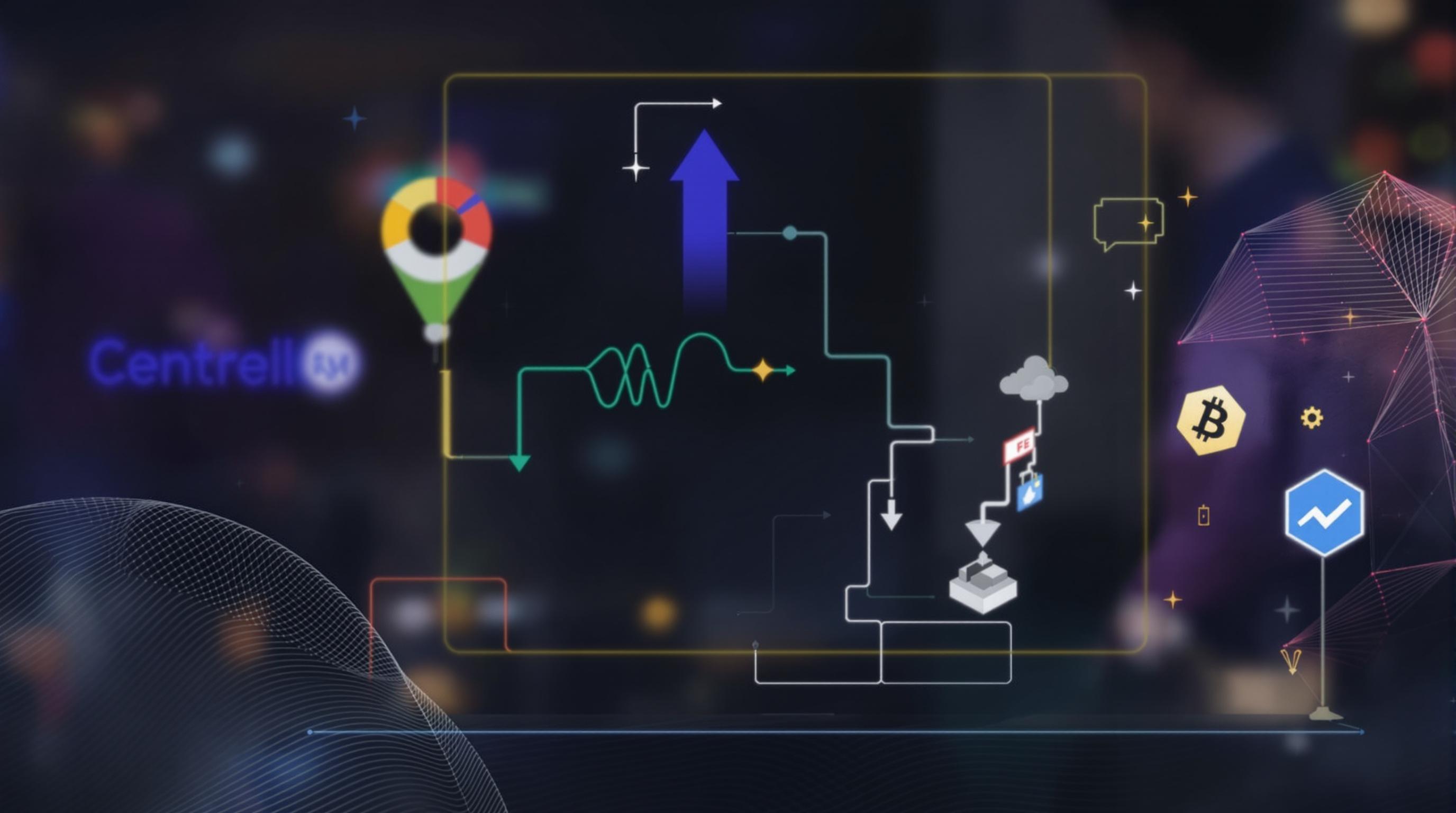
7 Little-Known Use Cases for Serverless Tech That Could Skyrocket Your Operational Efficiency and Drive Innovation
7 Little-Known Use Cases for Serverless Tech That Could Skyrocket Your Operational Efficiency and Drive Innovation
7 Little-Known Use Cases for Serverless Tech That Could Skyrocket Your Operational Efficiency and Drive Innovation
1. Dynamic Web Applications
Serverless architecture allows developers to build and scale web applications without the overhead of managing server infrastructure. This model offers a seamless way to handle dynamic content, allowing businesses to focus on delivering a superior user experience. By utilizing managed runtime environments like AWS Lambda, developers can easily respond to changing user demands.
The cost-effectiveness of serverless technology is proven; companies pay only for what they use, reducing wasted resources. For instance, a popular photo-editing web app uses serverless technology to handle image processing workflows more efficiently, significantly lowering costs while enhancing performance.
Moreover, deploying updates in a serverless environment is swift and hassle-free. Development teams can push enhancements without worrying about downtime, optimizing customer satisfaction and building a more resilient web presence. According to an AWS report, companies can increase their deployment frequency by up to 90% using serverless architectures.
2. Task Automation
Serverless technology shines in automating repetitive tasks. By leveraging services such as Google Cloud Functions, organizations can trigger automatic events based on pre-defined actions. This can range from managing customer support inquiry responses to automating report generation from operational data streams.
This increase in efficiency allows human resources to be redirected toward strategic thinking and decision-making rather than mundane tasks. For example, a major e-commerce company implemented serverless functions to automatically handle order confirmations and shipment notifications, resulting in increased team productivity and improved customer experiences.
Since serverless functions can scale and run in response to demand, businesses can maintain agility amidst fluctuating workloads. As noted by a report from Gartner, automating processes can reduce time-to-market by 25%, making it essential for companies striving to remain competitive in fast-paced industries.
3. Data Processing Pipelines
Data processing is crucial for drawing insights and making informed decisions. Serverless technology enables the creation of data processing pipelines that efficiently handle large volumes of data without manual intervention. For instance, streaming data from IoT devices can be processed on-the-fly, ensuring timely and relevant analyses.
By adopting serverless computing for data ingestion and transformation, businesses can significantly reduce overhead costs and complexities associated with traditional data processing systems. The ease of integration with other cloud services allows companies to amplify their data capabilities, pushing forward analytics delivery.
Real-time data processing in sectors like finance and healthcare experiences a transformation through serverless architectures. A case study by IBM highlights a healthcare startup automating their patient data analysis, reducing processing time from hours to seconds via serverless technologies, thereby improving service delivery quality.
4. Event-Driven Applications
Event-driven architecture perfectly aligns with serverless technologies, aiming to support applications that respond to events in real time. Whether it's user interactions, changes in data, or system-generated alerts, serverless allows businesses to craft responsive applications that enhance user engagement.
For example, a video streaming service can use serverless functions to resize and encode videos automatically once uploaded. This automation not only saves significant time but also improves performance metrics, as processing is efficiently handled in the background, freeing up developers to focus on more complex features.
With serverless event-driven applications, operational costs drop as businesses only incur costs when functions are invoked. By tapping into this innovation, organizations report faster development cycles and a high degree of flexibility, which can lead to surprising breakthroughs in user-centric design and functionality.
5. Machine Learning Model Deployment
Deploying machine learning models can be resource-intensive, often requiring elaborate infrastructures. Serverless technologies simplify this process, allowing data scientists to deploy models and achieve inferencing scale without worrying about server management. Platforms such as Azure Functions support instant model scaling based on demand.
This deployment method not only minimizes infrastructure costs but also democratizes access to powerful ML capabilities. Small startups now have the potential to compete with larger entities, offering sophisticated ML solutions that can analyze consumer behavior or predict trends effectively.
In a case study by Microsoft, a retail company integrated serverless functions to deploy predictive analytics models in real time. This led to a notable increase in personalized marketing efforts, which resulted in a 20% uplift in sales within a few months of implementation. Such success stories illustrate the innovation unlocked through serverless ML model utilization.
6. Real-Time Analytics
Real-time analytics has become indispensable for organizations striving to keep pace with consumer expectations. Serverless technologies can facilitate quick data analysis, enabling companies to react immediately to changing market trends or customer preferences. For instance, businesses can deploy serverless applications to track website visits and user interactions instantaneously.
This immediate access to data can lead to valuable insights that drive informed business decisions. For instance, a travel booking platform leverages serverless architecture to analyze booking patterns in real time, allowing them to adjust prices dynamically based on demand fluctuations.
Additionally, the seamless integration of serverless functions with data storage solutions can minimize latency, further enhancing the analytics process. This real-time capability ensures that organizations remain agile, adapting strategies to align with the evolving market landscape.
7. API Development
Serverless architecture is revolutionizing the way APIs are developed and managed. By using serverless functions, developers can create scalable APIs that can seamlessly handle requests while only incurring costs when they are in use. This level of efficiency streamlines API management, letting companies focus on building functionality rather than upkeep.
The time-savings and resource efficiencies associated with serverless APIs make them especially advantageous for businesses that scale rapidly or have unpredictable spikes in traffic. A social media app that saw a drastic increase in user engagement embraced a serverless approach to manage its APIs, successfully navigating millions of requests without server strain.
Furthermore, serverless APIs enable developers to implement rapid prototyping methodologies. By quickly testing various configurations and functionalities without infrastructure concerns, teams can innovate and roll out services faster than ever, positioning themselves favorably in competitive markets.
Read More