
Related Articles
- Unconventional Wisdom: Exploring Surprising Influencers Shaping Consumer Trends in 2023's Niche Ecosystems
- Beneath the Surface: Discovering the Unlikely Impact of Micro-Communities on 2023's Consumer Landscape
- Unexpected Catalysts: Exploring the Surprising Forces Influencing Subculture Trends in 2023
- Unmasking Influences: The Unlikely Narratives Behind Today's Obscure Market Trends and Consumer Choices
- The Paradox of Generosity: How Giving Can Lead to Unexpected Financial Gains in Competitive Markets
- The Unexpected Cost of Silence: How Communication Gaps Drain Resources in Organizations
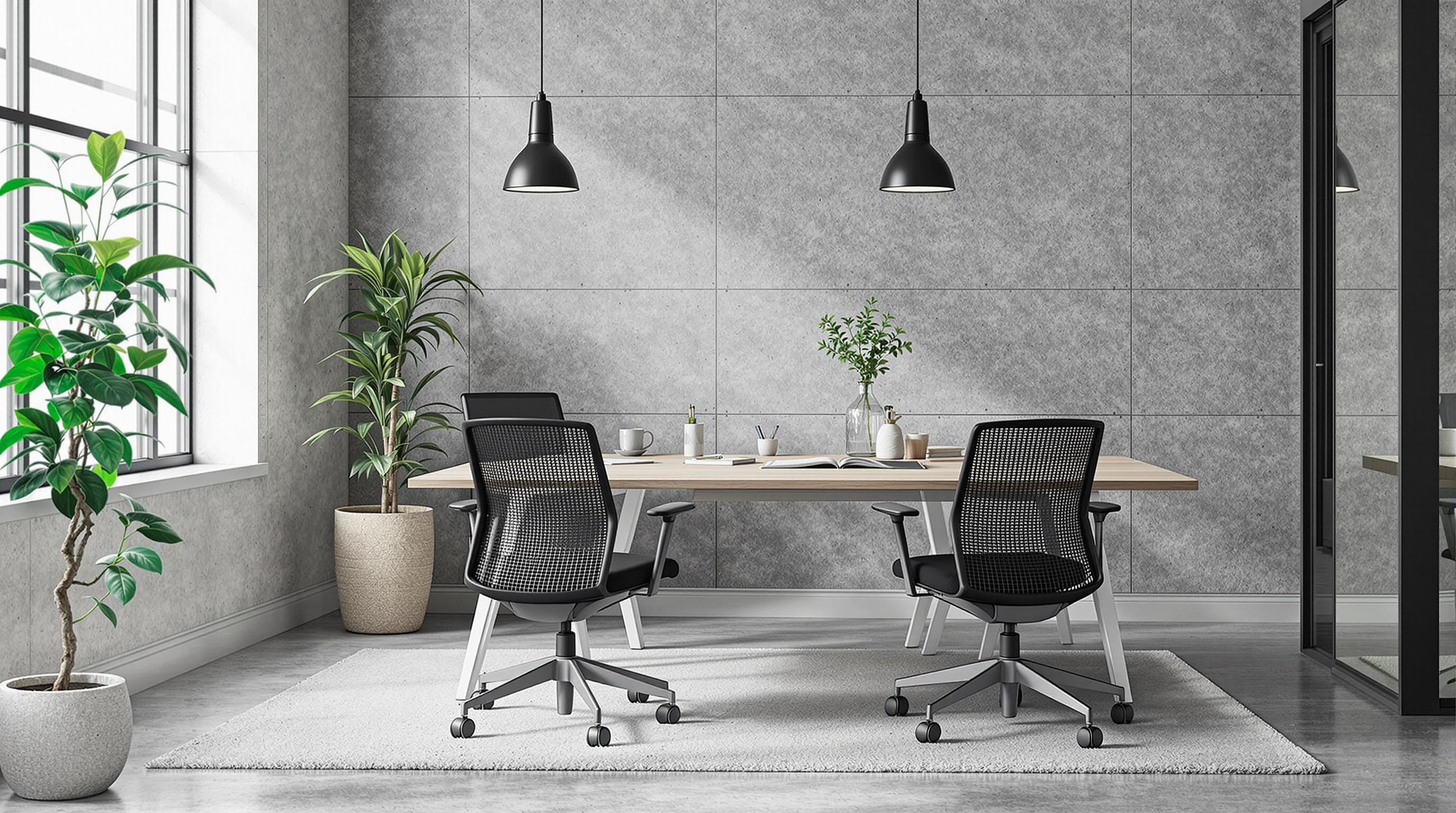
Reimagining Resourcefulness: Surprising Influence of Minimalist Workspaces on Financial Efficiency Outcomes
Reimagining Resourcefulness: Surprising Influence of Minimalist Workspaces on Financial Efficiency Outcomes
Reimagining resourcefulness through minimalism isn’t just a trend; it’s a transformative approach that can significantly enhance financial efficiency in workplaces. By stripping away excess and embracing simplicity, organizations can unlock hidden potential, leading to remarkable outcomes across the board.
The Minimalist Movement in Modern Workspaces
The minimalist movement has transcended art and lifestyle to make its way into the business environment. In its essence, minimalism is about decluttering, focusing on what truly matters, and enhancing productivity. But did you know that embracing a minimalist workspace can also influence financial efficiency? According to a survey by the American Psychological Association, 88% of respondents reported that a cluttered workspace negatively impacted their ability to work, ultimately affecting their financial output. That’s a staggering number!
Money Matters: The Bottom Line
When discussing financial efficiency outcomes, it's crucial to consider how every dollar is spent. A workspace that is cluttered with unnecessary items often leads to wasted resources. Consider this: a study conducted by the University of California found that employees waste about 30 minutes a day searching for misplaced items—an astounding 2.5 hours a week! For a company with 100 employees, and an average hourly wage of $25, that's a whopping $325,000 a year down the drain.
Storytime: A Case Study in Minimalism
Let’s illustrate this with a fictional company, Creative Designs, a graphic design firm that was struggling with productivity and profits. Employees complained about the overabundance of materials and tools that cluttered their desks. After conducting a workshop on minimalism, the management team decided to adopt a more stripped-back approach, encouraging employees to embrace simplicity in their personal workspaces.
Within weeks, the desks looked different: fewer decorations, no redundant tools, and a focus on digital solutions over physical ones. Remarkably, Creative Designs reported a 15% increase in productivity and a 20% decrease in unnecessary expenses within just three months. Imagine what this means—less money spent on materials and greater efficiency leading to increased profits.
Beyond Productivity: The Psychological Edge
Embracing minimalism isn't just about actual savings; it creates a culture of clarity and focus. As a recently graduated professional, I remember walking into my first job with my desk piled high with pens, sticky notes, and outdated materials. Admittedly, I felt anxious every time I looked at the chaos, which hindered my ability to perform efficiently. Until one day, a friendly coworker offered to help declutter. It felt liberating! Suddenly, my focus sharpened, and I completed projects at lightning speed, contributing positively to the team's financial health.
Breaking Down Minimalism’s Financial Benefits
So, what are the specific financial benefits of adopting a minimalist workspace? Let's break it down:
- Reduced Operational Costs: Less clutter means fewer supplies purchased. This can translate to lower overhead costs in terms of supplies and maintenance.
- Time Efficiency: If employees save time searching for items, they can allocate that time to more productive endeavors, ultimately impacting profit margins.
- Improved Employee Morale: A clean and minimalist workspace can significantly enhance morale. Higher morale often correlates with higher productivity, leading to better financial outcomes.
- Creative Freedom: With fewer distractions, employees may find it easier to think outside the box, generating innovative ideas that can improve profitability in the long run.
The Science Behind Clutter and Productivity
The emotional and psychological implications of clutter do not merely end at aesthetics. Neuroscience has revealed that clutter can produce feelings of anxiety, reducing our brain's ability to process information effectively. A study published in the Journal of Neuroscience found that our ability to concentrate is impaired when we’re surrounded by visual chaos. As the great writer and designer Jonathan Ive notes, “Simplicity is about subtracting the obvious and adding the meaningful.”
The Millennials' Take on Minimalism
Being 25 and part of the millennial generation, I often find myself torn between the allure of trendy, bustling workspaces filled with gadgets and the serene beauty of a minimalist environment. According to a survey by Deloitte, 72% of millennials prefer working in a minimalist office design that promotes collaboration. This preference for spaciousness not only speaks to our desire for a comfortable working environment but also reinforces how minimalism aligns closely with financial efficiency.
Creating Your Minimalist Workspace
Ready to transform your workspace into a minimalist haven? Here are several actionable steps you can take:
- Declutter: Take everything off your desk. Return only the items that are essential for your daily tasks. Get rid of anything redundant.
- Digitalize: Move as many documents as possible to the digital realm. This helps in reducing paper waste and creates a cleaner physical environment.
- Streamline Your Tools: Use multifunctional tools instead of purchasing multiple specialized devices.
- Create a Daily Routine: Establish a routine that encourages upkeep of your minimalist workspace. Set aside time at the end of each week to reassess your space.
The Humorous Side of Minimalism
Every effective workplace change comes with its quirks. When I suggested we go minimalist in our office, one colleague raised an eyebrow and jokingly asked, "What will I do without my espresso machine or my collection of novelty mugs?” Little did they know, the time spent on coffee breaks and the chaos of sorting through unnecessary items were dragging us down financially.
Conclusion: A Minimalist Future
As we look to the future, it’s clear that the minimalist approach isn’t just for aesthetic pleasure or personal preference—it is a financial strategy. A resourceful workplace keeps finances healthy while encouraging creativity and productivity. Organizations keen on maintaining a competitive edge should consider adopting this philosophy. The benefits are clear, the statistics are compelling, and the potential for transformation is vast.
So, whether you’re a seasoned business owner or just starting your career, remember: embracing minimalism in the workplace isn’t about losing what you have; it’s about gaining clarity, focus, and financial efficiency—all wrapped in an elegant package of simplicity.
Read More