
Related Articles
- Unconventional Wisdom: Exploring Surprising Influencers Shaping Consumer Trends in 2023's Niche Ecosystems
- Beneath the Surface: Discovering the Unlikely Impact of Micro-Communities on 2023's Consumer Landscape
- Unexpected Catalysts: Exploring the Surprising Forces Influencing Subculture Trends in 2023
- Unmasking Influences: The Unlikely Narratives Behind Today's Obscure Market Trends and Consumer Choices
- The Paradox of Generosity: How Giving Can Lead to Unexpected Financial Gains in Competitive Markets
- The Unexpected Cost of Silence: How Communication Gaps Drain Resources in Organizations
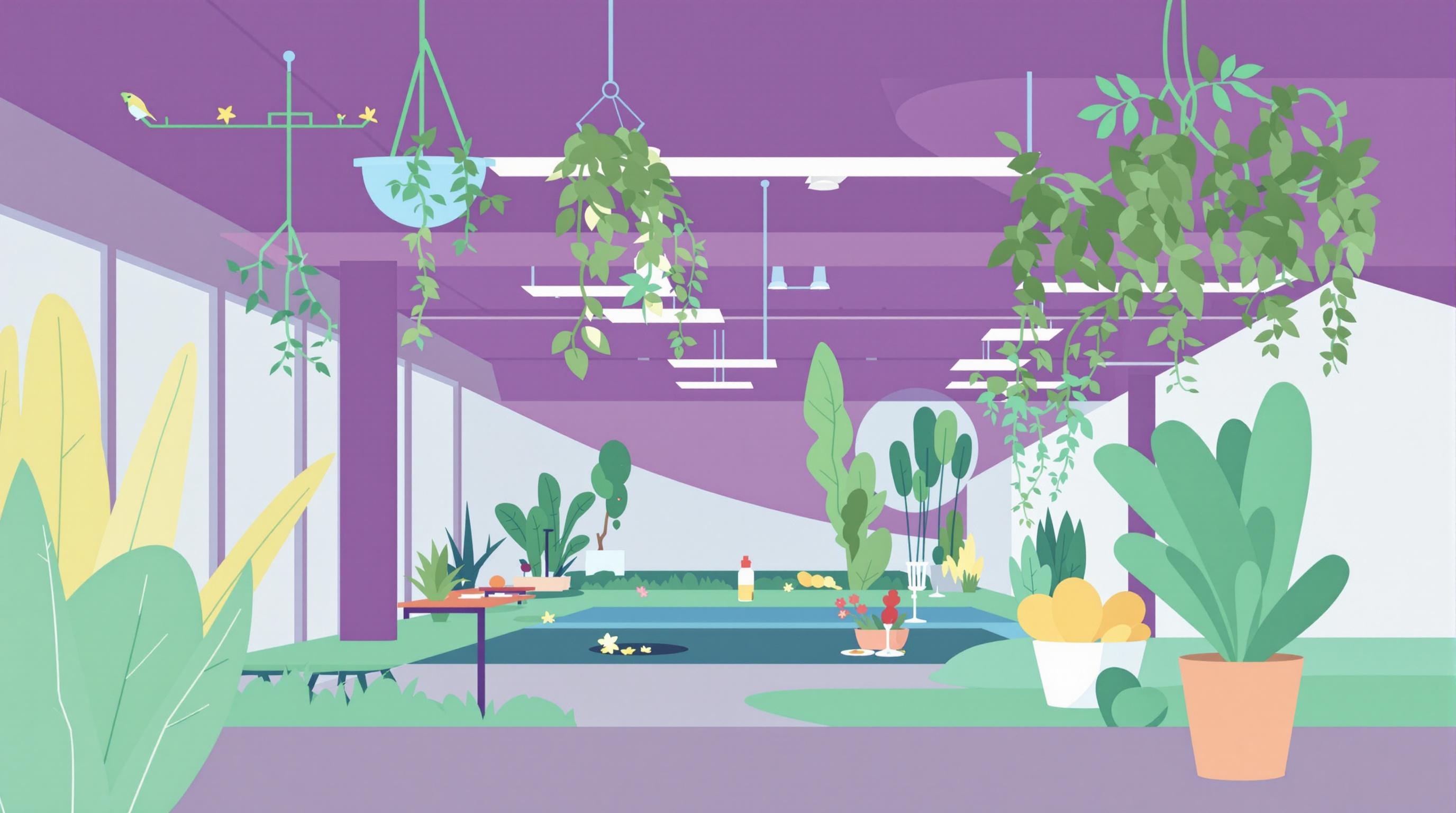
8 Surprising Strategies from Biophilic Design That Can Slash Your Business Costs and Boost Wellness Today
8 Surprising Strategies from Biophilic Design That Can Slash Your Business Costs and Boost Wellness Today
8 Surprising Strategies from Biophilic Design That Can Slash Your Business Costs and Boost Wellness Today
Understanding Biophilic Design
Biophilic design is a concept that integrates nature into the built environment, creating spaces that foster a connection with the natural world. This approach not only enhances aesthetic appeal but also promotes well-being among occupants. By incorporating natural elements such as light, plant life, and water features, businesses can create environments conducive to creativity and productivity.
Research supports the efficacy of biophilic design in improving employee satisfaction and health. A study from the Journal of Environmental Psychology indicates that exposure to natural elements can reduce stress levels and increase cognitive functions (Kaplan & Kaplan, 1989). The incorporation of biophilic design translates into a more vibrant workplace that nurtures employee well-being.
As we explore the eight surprising strategies derived from biophilic design, we will uncover ways these principles can reduce costs while enhancing employee health and productivity.
1. Harnessing Natural Light
The first biophilic strategy involves maximizing natural light in the workspace. Studies have shown that access to natural light can boost mood, reduce fatigue, and even enhance performance. In fact, a 2018 study by the Harvard School of Public Health found that exposure to natural light in the workplace can lead to increased productivity by up to 15%.
By redesigning office layouts to prioritize windows and skylights, businesses not only create inviting atmospheres but may also reduce energy costs associated with artificial lighting. This dual benefit fosters a healthier and more efficient work environment.
Implementing light-diffusing materials or strategically placing reflective surfaces can further enhance the flow of natural light throughout the space. Embracing natural light is a vital step towards cultivating a harmonious workplace that respects both employee wellness and overhead costs.
2. Integrating Plant Life
Introducing greenery into office spaces is another hallmark of biophilic design. Studies from the University of Exeter reveal that office plants can enhance productivity by 15% while also improving air quality. Plants not only beautify the workspace but also act as natural air purifiers, filtering pollutants and increasing oxygen levels.
By investing in office plants, businesses can potentially reduce healthcare costs by promoting better air quality and improving employee health. Furthermore, the presence of greenery is linked to lowered stress levels and increased job satisfaction, creating a more engaged workforce.
Simple solutions such as vertical gardens or desk succulents can be implemented without extensive renovations, making this strategy both practical and cost-effective. By fostering a green environment, companies can nurture not only their employees but also their bottom line.
3. Creating Outdoor Work Spaces
Outdoor workspaces represent a brilliant and refreshing application of biophilic principles. With studies suggesting that spending time outdoors can significantly reduce stress and enhance focus, providing employees with outdoor areas to work can lead to astonishing benefits. Exposure to nature has been correlated with reduced mental fatigue and improved cognitive performance.
Creating an outdoor space may be as simple as equipping a patio area with Wi-Fi and comfortable seating. This inexpensive enhancement can potentially reduce the need for extensive renovations while improving employee morale and productivity.
Additionally, employees can find inspiration and renew their energy levels, reducing burnout and increasing retention rates. Outdoor workspaces champion both the natural environment and employee wellness—two crucial assets for a thriving business.
4. Utilizing Water Features
Water features such as fountains, indoor ponds, or waterfalls are not merely aesthetic enhancements; they can profoundly impact employee well-being. Soundscapes from flowing water can reduce anxiety and promote relaxation, making employees feel more at ease and encouraging creative thinking.
Moreover, the strategic placement of water features can act as natural sound barriers, reducing disruptive noise in the workplace. Research suggests that these tranquil elements can enhance productivity and lead to calmer, more focused work environments.
Investing in affordable water features, even in small forms, can deliver significant returns in the form of improved employee satisfaction and lower turnover rates, ultimately leading to reduced recruitment and training costs.
5. Flexible Work Environments
Flexibility in workplace layout encourages collaboration and adaptability—key components of biophilic design. Offering a variety of spaces, from quiet retreats to collaborative hubs, caters to diverse employee needs and boosts overall productivity. This flexibility not only nurtures creativity but also allows employees to thrive according to their individual work styles.
Research on workspace flexibility indicates that employees who have the opportunity to choose their environments report heightened job satisfaction and reduced stress. Consequently, flexible workspaces can reduce absenteeism and improve employee retention, leading to substantial long-term savings.
Employers can embrace shared spaces that foster collaboration while still providing quiet areas for focused work. By promoting an environment where employees feel empowered to choose their spaces, companies create a positive culture that champions well-being.
6. Using Natural Materials
Integrating natural materials into office design can create a warm and inviting atmosphere. Features such as wooden desks, stone accents, and wool carpets can evoke a sense of connection to the natural world. Such elements not only enhance aesthetics but also contribute to an overall reduction in synthetic materials, which can lead to better indoor air quality.
Materials like wood and bamboo are not only sustainable but also affordable options that enhance comfort. Research indicates that workplaces characterized by natural materials can promote higher levels of well-being and productivity, significantly affecting employee morale.
By opting for natural materials, businesses can reduce costs on health-related issues caused by poor working environments, while simultaneously fostering a serene, welcoming ambiance that nurtures employee satisfaction.
7. Emphasizing Color Psychology
Color plays a pivotal role in shaping our emotions and behaviors. Employing principles of color psychology derived from biophilic design can influence workplace atmosphere and productivity. For instance, vibrant colors such as green, blue, and yellow are linked to enhanced creativity and focus, while earth tones can foster calm and stability.
Investing in paint, furnishings, and decor that prioritize harmonious color schemes can create a more cohesive work environment. A study from the Institute for Color Research suggests that creating a visually stimulating environment can improve learning and productivity in workplace settings.
Employers can implement color strategies that reflect their brand values while enhancing employee well-being and morale. This simple yet impactful approach is a small investment that pays off significantly in workplace culture and employee engagement.
8. Prioritizing Acoustic Comfort
Noise in the workplace can be a significant source of distraction and stress. Implementing biophilic principles to improve acoustic comfort can help create a more tranquil and productive work environment. Approaches such as using sound-absorbing materials, acoustic panels, and white noise machines can significantly reduce disruptive sounds.
Studies indicate that noise reduction strategies can boost productivity by up to 30% while decreasing stress levels among employees. Implementing these strategies is a cost-effective way to enhance focus and foster a culture of efficiency and harmony.
By prioritizing acoustic comfort, organizations not only reduce employee fatigue but also create a working atmosphere that promotes collaborative communication and creativity. This thoughtful approach translates into tangible savings, fostering healthier and more fulfilled employees.
The Future of Biophilic Design in Business
As the understanding of biophilic design deepens and its benefits become more recognized, businesses are poised to embrace these natural principles in their workspaces. The harmonious integration of natural elements into everyday environments yields enormous potential for cost reduction and enhanced employee well-being.
By weaving together strategies such as natural light, plant life, and outdoor spaces, organizations can create a transparent culture where wellness and productivity thrive side by side. This transformation not only enhances the work environment but significantly improves employee retention and satisfaction rates.
Ultimately, investing in biophilic design is not merely a trend; it is a commitment to nurturing healthier, more productive workplaces that respect both the environment and the individuals within. As businesses move forward, recognizing the role of nature in the workplace may well be their most strategic advantage.
Read More